


One of the challenges foreign tourists face when visiting Nigeria has always been how to make payments conveniently and securely. Today, I am excited to say that we are taking a major step towards solving that challenge.
Tour2Nigeria has officially been onboarded with an OPay Corporate Account, and we can now provide our international clients with an OPay Expense Card during their stay in Nigeria.
This means our visitors can enjoy their
Nigerian experience with greater convenience, security and ease without the usual payment frustrations.
Tourism is about creating seamless experiences from arrival to departure.
This is another step towards making Nigeria easier to visit, easier to explore and easier to experience – Otunba Michael, CEO, Tour2Nigeria, Lagos, Nigeria.
The Fintech Solutions Nigeria Needs For International Tourists
For an international traveler, one of the most basic questions when arriving in a new country is also one of the most important: How am I going to pay for things?
The fact remains that we all in various degrees want ease of life, convenience and even peace. And no time is this needed than when one is in a foreign country as a visitor or tourist. The ability to make payment for goods and services, without feeling overwhelmed with all the unnecessary hurdles, is one major aspect of a good travel.
A visitor may have a hotel booked, a tour itinerary prepared and a list of places to see, but if their international bank card does not work at the restaurant, hotel, transport service or local shop, the holiday can quickly become stressful.
This is one of the less glamorous but very real challenges facing international tourism in Nigeria. But the story is changing.
During a conversation about Nigerian tourism, Otunba Michael, a Nigerian tourism professional with more than a decade of experience in the industry, and CEO of Tour2Nigeria, a tour company based in Lagos, Nigeria, described the problem from personal experience. He recalled receiving visitors from South Africa who arrived with international bank cards only to discover that many local point-of-sale machines did not accept them.
The problem becomes even more frustrating when tourists turn to ATMs.
Otunba Michael described a situation where someone might try to withdraw around $100 and discover a fee of about $20. For a visitor staying only a few days, such costs can make everyday spending unnecessarily complicated.
The result is a strange contradiction. Nigeria is increasingly attractive to international visitors because of its music, food, festivals, culture and business opportunities, yet the simple act of paying for a meal or getting a local ride can sometimes become an obstacle.
The problem is bigger than credit cards
The challenge is not simply that some international cards may not work. There is also the question of how a foreign visitor transfers money into Nigeria.
Imagine a tourist from the United States wanting to pay a local driver. The driver may not have a card machine and may instead request a local bank transfer. But how does someone with an American bank account instantly transfer money into a Nigerian account?
As Otunba Michael explained, this creates a practical problem: “How do you transfer from your account in America to a local Uber driver?”
For Nigerians accustomed to the local financial system, the problem may seem minor. For someone arriving from another continent, it can be the difference between feeling independent and having to rely on a tour operator or hotel for almost every transaction.
Fintech could provide part of the answer
Interestingly, the solution may already exist in Nigeria’s rapidly developing fintech ecosystem.
Otunba Michael described how he has used a fintech-based approach to help international clients obtain a local payment card. According to him, visitors can provide the necessary information and biometric details and receive a card relatively quickly. Their travel budget can then be loaded onto the card before or during their visit.
The idea is simple: instead of forcing a tourist to navigate the complexities of opening a conventional Nigerian bank account, create a convenient, regulated payment solution specifically designed for short-term visitors.
The card could function as a travel wallet. A visitor could use it for hotels, restaurants, shopping, transport and other everyday expenses, while also withdrawing local currency when necessary.
Otunba Michael also mentioned discovering that at least one Nigerian bank offered POS machines capable of accepting international cards.
That discovery points to another important solution: Nigeria does not necessarily need to invent an entirely new financial infrastructure. It needs to make the existing infrastructure more accessible and visible to international travelers.
Build the solution before tourists arrive
Perhaps the most promising idea raised in the conversation was a prepaid or travel debit card that visitors could arrange before leaving home.
Michael noted that some Nigerian financial institutions had been considering prepaid cards that could be loaded before a tourist even entered the country. This would eliminate the need for a visitor staying four days to spend precious holiday time dealing with paperwork and bank verification.
That could become part of the Nigerian tourism welcome package.
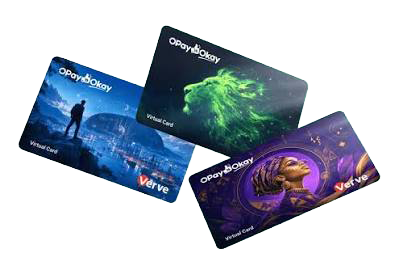
Opay to the “rescue”
Imagine booking a Nigerian holiday and receiving, alongside your hotel confirmation and airport transfer details, an option to obtain a secure Nigerian travel card before departure. You arrive in Lagos, collect or activate the card and immediately have access to local payments.
It would be a small change with a major psychological effect.
Tourism is about experience, and payment problems are interruptions to experience.
Trust must be at the center
There is, however, another issue that cannot be ignored: trust.
When tourists are sending money into another country before they arrive, they need confidence that the system is secure and regulated. Michael described trust as fundamental to such arrangements, particularly when visitors are transferring significant amounts of money.
That means any tourism payment solution should not depend on informal arrangements between individual tourists and tour operators. It should be transparent, regulated and supported by recognized financial institutions.
Nigeria has an opportunity to turn its fintech strength into a tourism advantage.
The country already has the attractions. Lagos has its nightlife, food and creative scene. Badagry offers history and heritage. Cross River offers festivals and nature. Across the country, visitors can find art, markets, music and cultural experiences. But a tourist should not have to wonder whether their bank card will work before buying lunch.
Making payments simple may sound like a small detail in the enormous project of developing Nigerian tourism. In reality, it is part of the infrastructure of hospitality.
A country that wants visitors to stay longer, spend more and return again must make it easy for them to do something as ordinary as pay.
The goal should be simple: arrive, connect, pay and explore.
Nigeria’s tourism story is already compelling. Its payment experience should be just as welcoming.
Visiting Nigeria?
Tour Nigeria with Tour2Nigeria.
Contact: michaelbalogun@tour2nigeria.com