

Namibia is a destination unlike any other in Africa—a land of vast deserts, dramatic landscapes, extraordinary wildlife, and cultures that have survived and evolved over thousands of years. From the red dunes of the Namib Desert to the wildlife-rich plains of Etosha and the rugged Atlantic coastline, Namibia offers travellers an opportunity not simply to see Africa, but to experience its soul.
One of Namibia’s greatest attractions is Sossusvlei, in the heart of the Namib-Naukluft National Park. The towering red dunes, particularly Big Daddy and Dune 45, create one of Africa’s most iconic landscapes. Nearby Deadvlei, with its ancient camelthorn trees standing against a white clay pan, is an unforgettable sight. UNESCO also recognises the Namib Sand Sea as a World Heritage Site.
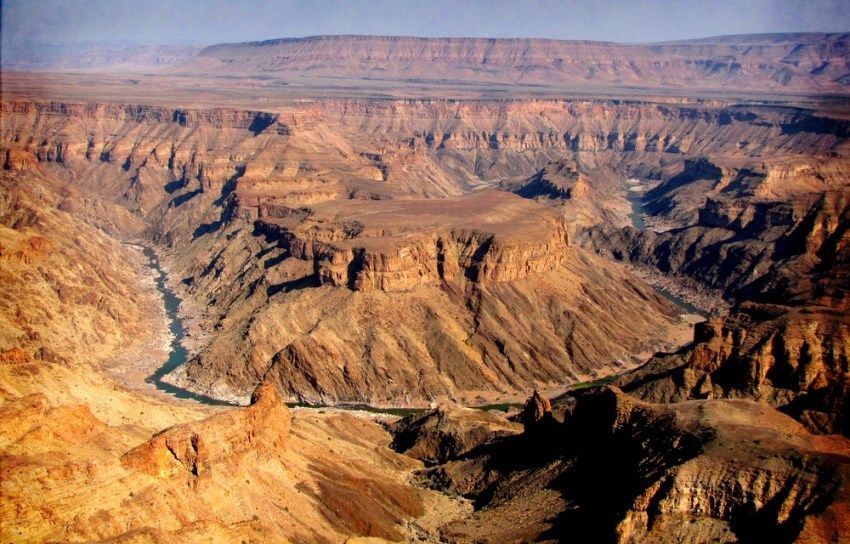
Fish river canyon, Namibia.
For wildlife lovers, Etosha National Park is a must. Its enormous salt pan and surrounding waterholes provide remarkable opportunities to see elephants, lions, rhinos, giraffes, zebras and many other species. Namibia’s wildlife experience is particularly special because of the country’s commitment to conservation and its ability to protect animals within vast, open landscapes.
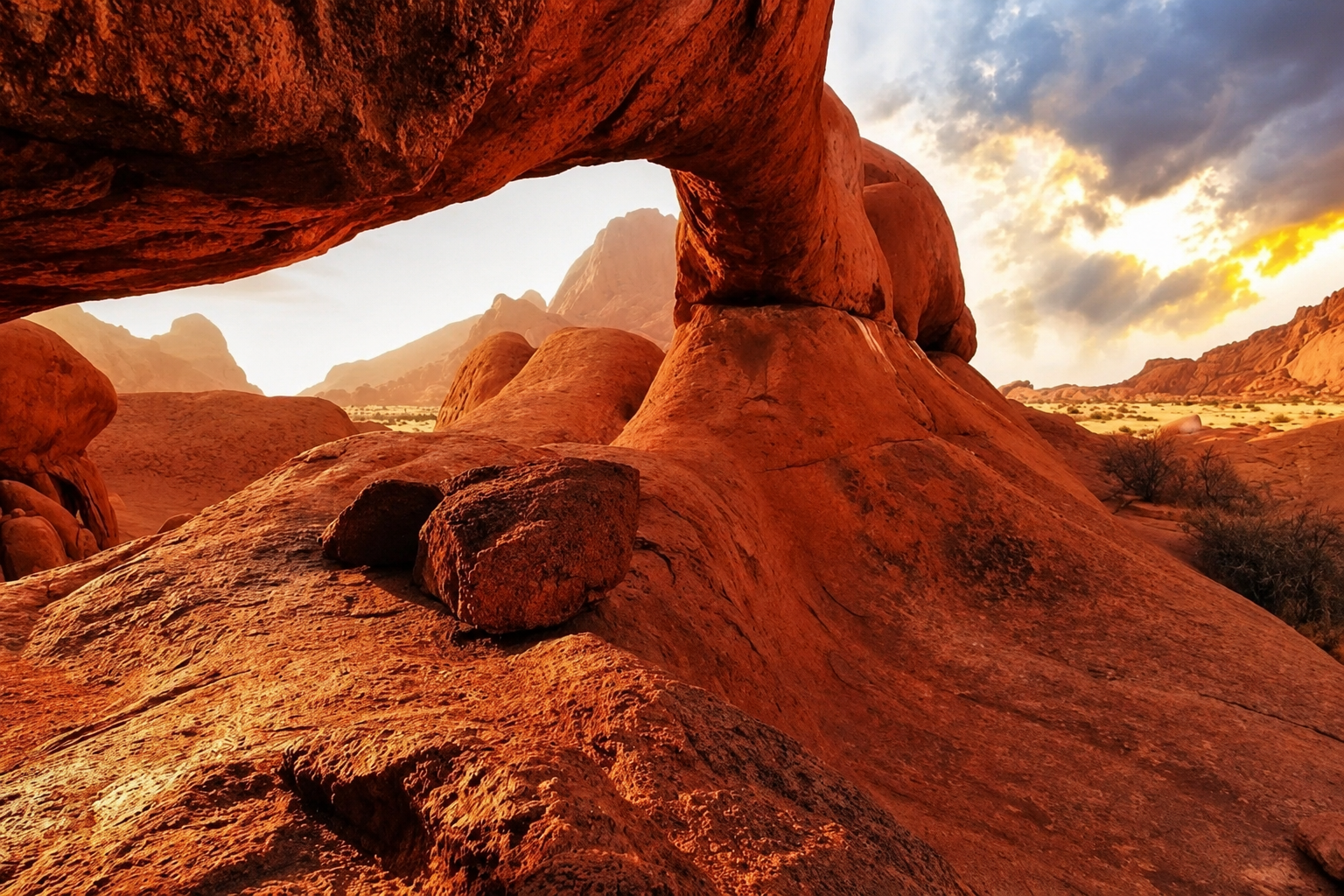
Further south lies the spectacular Fish River Canyon, one of Africa’s great natural wonders, stretching approximately 160 kilometres and reaching depths of around 550 metres. In the northwest, Damaraland offers another world of ancient mountains, desert-adapted elephants, rugged valleys and extraordinary geological formations.
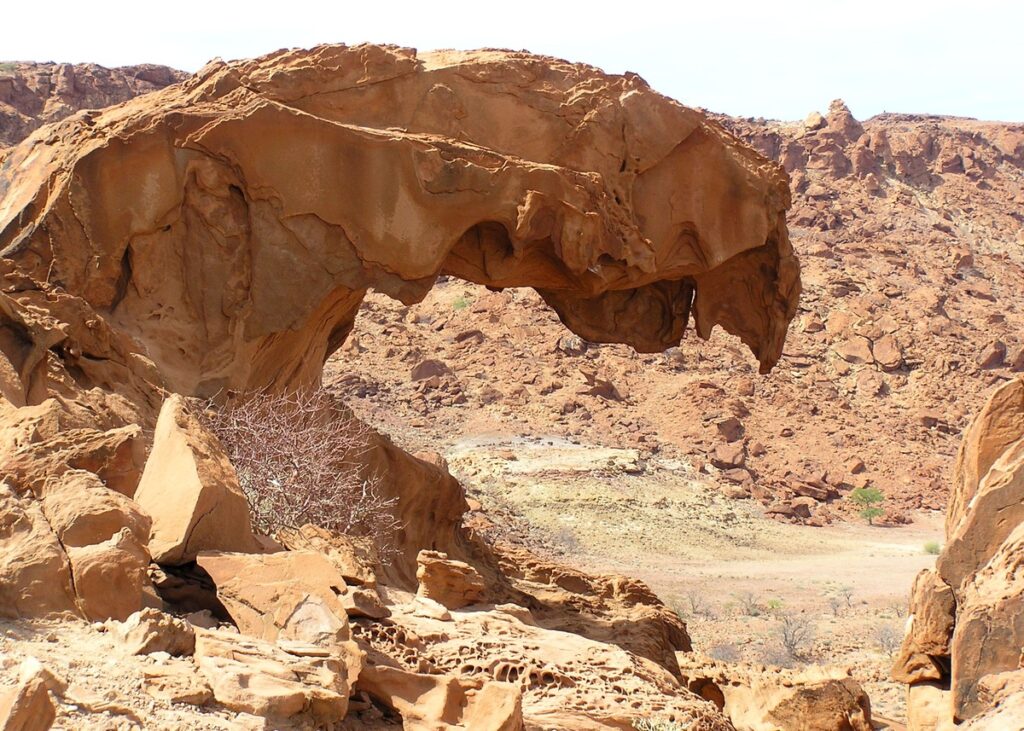
Damaraland, Namibia.
No journey through Namibia would be complete without experiencing the Atlantic coast. Swakopmund and Walvis Bay combine adventure, history and coastal beauty. Travellers can enjoy boat cruises, kayaking, quad biking, sandboarding and excursions towards Sandwich Harbour, where enormous dunes meet the Atlantic Ocean. The mysterious Skeleton Coast, with its fog, shipwrecks and remote wilderness, provides an entirely different perspective of Namibia.
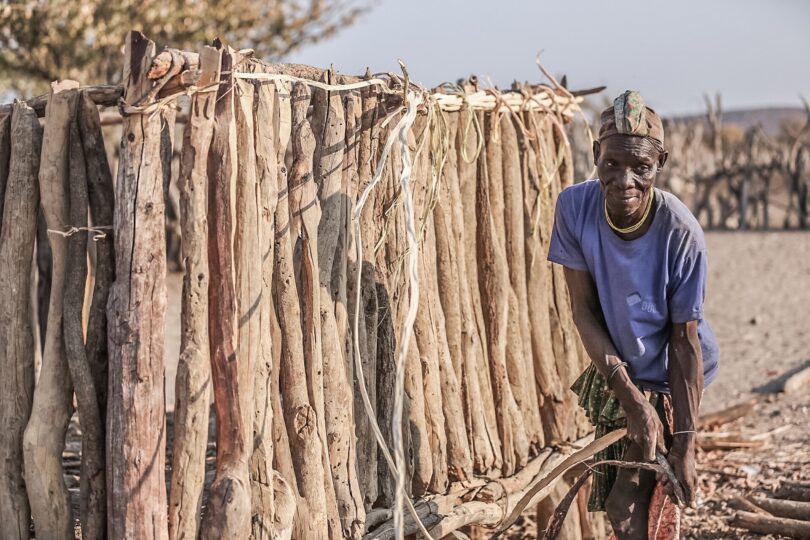
Yet Namibia is much more than scenery and wildlife. Its greatest treasure is its people and cultural heritage. Namibia is home to diverse communities, including the Ovambo, Herero, Himba, Damara, Nama, San and many others, each contributing traditions, languages, music, clothing, food and stories to the country’s identity.
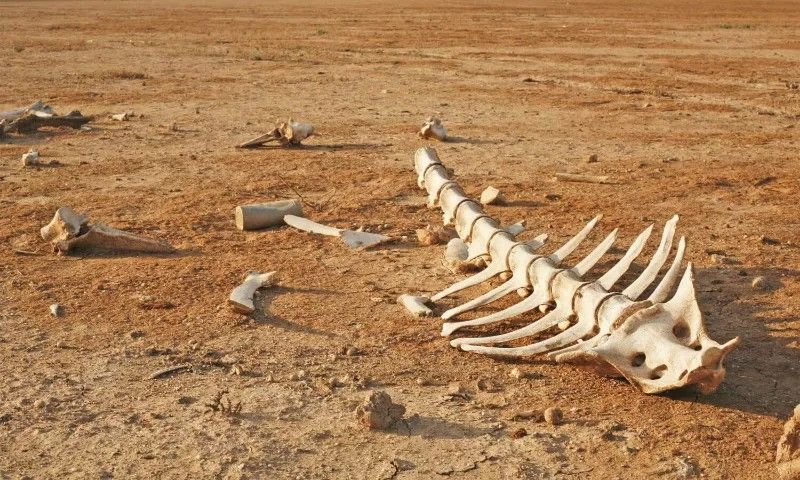
Skeleton coast Namibia.
A visit to Namibia can become a journey through living history. In the Kunene region, travellers can respectfully learn about Himba traditions and their relationship with cattle, land, family and ancestral heritage. In Damaraland, Twyfelfontein provides an extraordinary connection with the distant past. Its thousands of rock engravings preserve evidence of hunter-gatherer life and ritual practices dating back thousands of years. UNESCO recognises Twyfelfontein as Namibia’s first cultural World Heritage Site.
Namibia’s history also includes the profound impact of German colonialism, the struggles of different communities, and the long journey towards independence in 1990. Understanding this history adds depth to every landscape: the mountains, towns, monuments and communities become chapters in a much larger story.
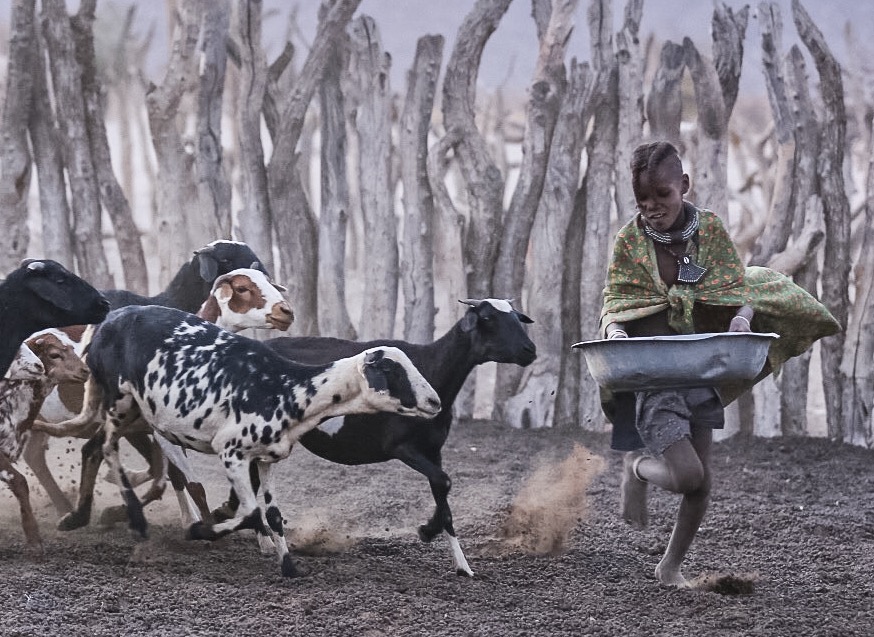
A Himba boy herder, Namibia.
Ultimately, Namibia is not simply a place to visit—it is a place to connect. Connect with nature beneath endless African skies, with wildlife in ancient landscapes, with communities whose traditions remain strong, and with a history that continues to shape the nation.
For the traveller seeking adventure, culture, photography, wildlife and meaningful experiences, Namibia offers a journey that stays in the heart long after the road home.