
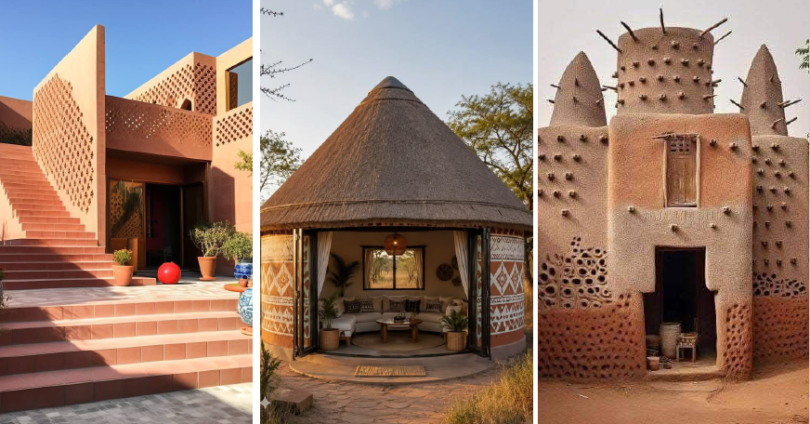

There is a growing need to restore and revive Africa’s vernacular architecture, not simply as a preservation exercise, as a deliberate return to the knowledge, materials, skills, and building philosophies that once responded directly to our environment, culture, and way of life.
Vernacular architecture is essentially architecture shaped by its heritage. It responds to locally available materials, climate, culture, craftsmanship and the needs of the people who occupy it. It is knowledge developed over generations and transferred through practice. For Africa, this knowledge also represents our cultural identity.
Over time, we lost the plot as much of our indigenous built knowledge was displaced.
Colonialism not only changed Africa’s political and economic systems. It also influenced how Africans understood their own built environment. Indigenous construction systems were frequently regarded as primitive, while imported materials and forms were presented as evidence of advancement.
A good example is the history of Great Zimbabwe. When European explorers arrived, there was considerable resistance to the idea that such sophisticated stonework could have been produced by the Shona People. Subsequent European interpretations attributed the monument to themselves, thereby discrediting the real builders. It was not until an archaeological investigation was done that confirmed that the Zimbabwe tradition was indigenous.
Another example is the history of Benin City. Before the British invasion of 1897, the City was a sophisticated urban centre with extensive earthworks and mud-walled compounds. In fact, they had their own great wall built of earth. The British occupation resulted in widespread destruction, including the burning and partial destruction of the royal palace.
This history matters because architecture is not simply about the buildings that survive. It is also about the knowledge that survives with them. When a building tradition disappears, we also lose the craftspeople who understand it, the cultural meaning attached to it, and the ability of future generations to improve upon it.
The introduction of manufactured construction materials was not inherently negative. Concrete, steel, glass, etc. have transformed the possibilities of construction and have provided materials with predictable structural and performance characteristics. The problem arises when progress becomes synonymous with abandoning everything that came before it. A material should not become superior simply because it is industrially manufactured and has passed through the laboratory. A building material should be judged by what it can achieve.
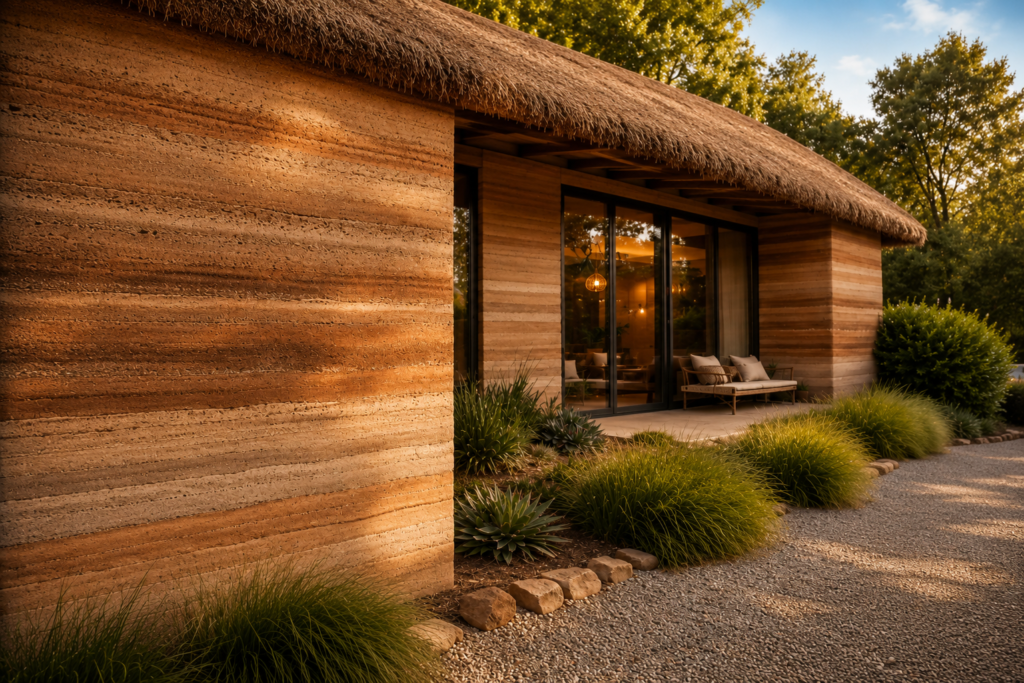
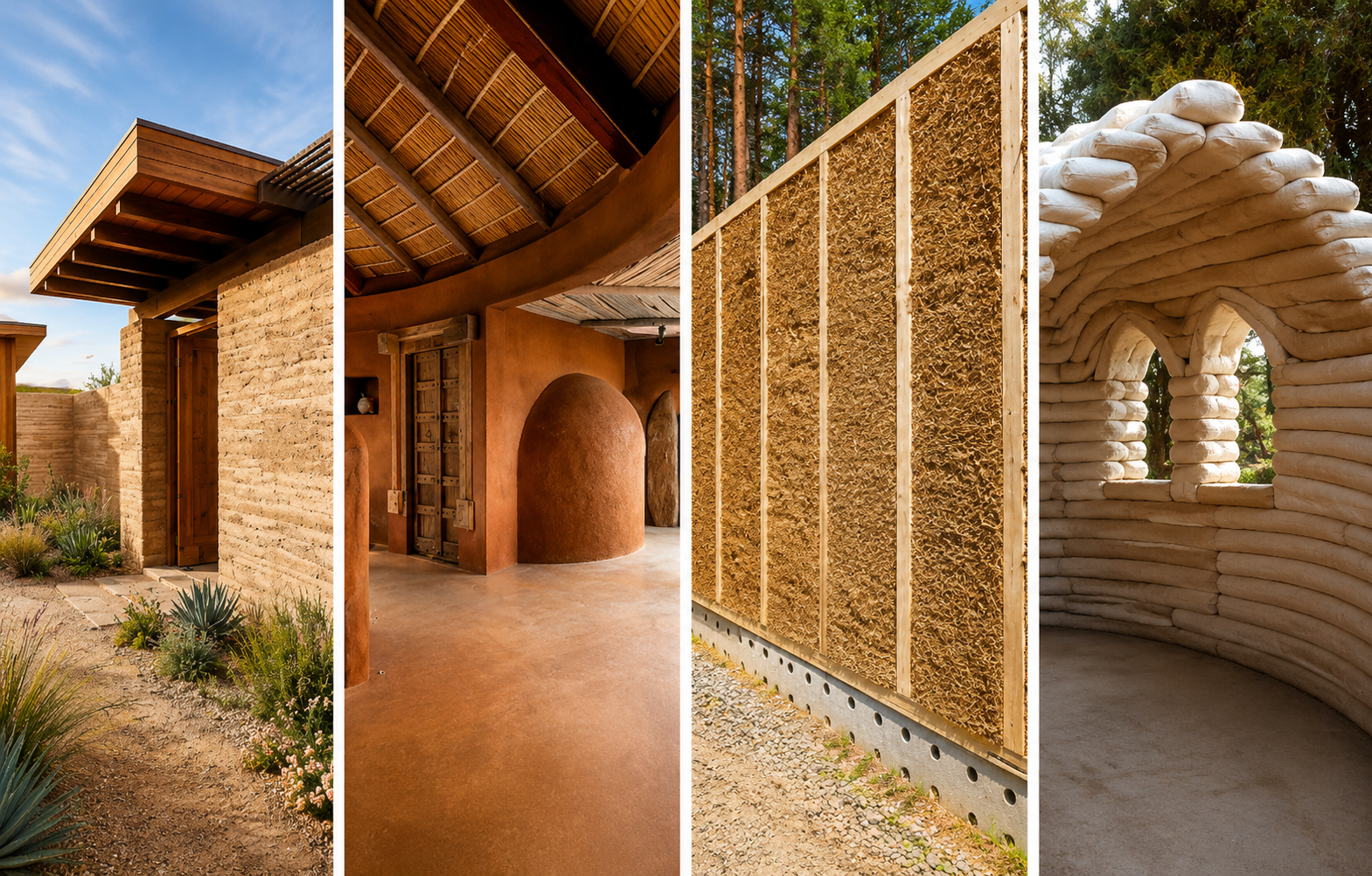
What is a house? What is an office? What is a factory? At their most fundamental level, they are spaces that must satisfy requirements of form, function, performance, safety and durability. There is no universal architectural law, not even in the bible, stating that a house must be made from concrete, that a wall must be masonry, or that a roof must be constructed from a particular industrial product. The question should instead be: what material and construction system is most appropriate for the function, environment, performance requirements and context of the building? That opens the door to possibilities that we have largely stopped exploring.
Speaking as a practitioner in this space, the greatest obstacle to the revival of vernacular architecture is psychological, both to the builder and end user. In many African communities, earth construction, thatched roofs, timber structures and other traditional building systems are still associated with poverty. A modern building is expected to look industrial, finished, and expensive. In fact, use of concrete(or modernism as a whole) is widely considered a symbol of economic progress. This perception has been quite difficult to change.
Another barrier is the argument that there are no standards for many traditional or alternative construction methods. And this is the challenge at the execution level amongst builders and professionals today. Standards are essential. They establish minimum performance requirements and guarantees as well as a common basis for design and construction. But a standard should not be definitive. There is an important distinction between prescriptive requirements and performance requirements.
If a wall must achieve a particular level of structural strength, fire resistance, thermal performance, weather resistance or durability, the professional question should be whether the proposed construction system can demonstrate that performance. That creates room for innovation and freedom of exploration. A lack of familiarity should not automatically be treated as a lack of possibility. Where established standards do not adequately cover an alternative system, professionals should research it, test it, document it and develop evidence that can eventually contribute to better standards and wider acceptance instead of relying on governments to create standards or end users to come looking for them.
The losses still outweigh the gains. We lost craftsmen who understood local materials, construction techniques passed from one generation to another, confidence in our own building knowledge, and the belief that locally available resources could produce significant architectural landmarks.
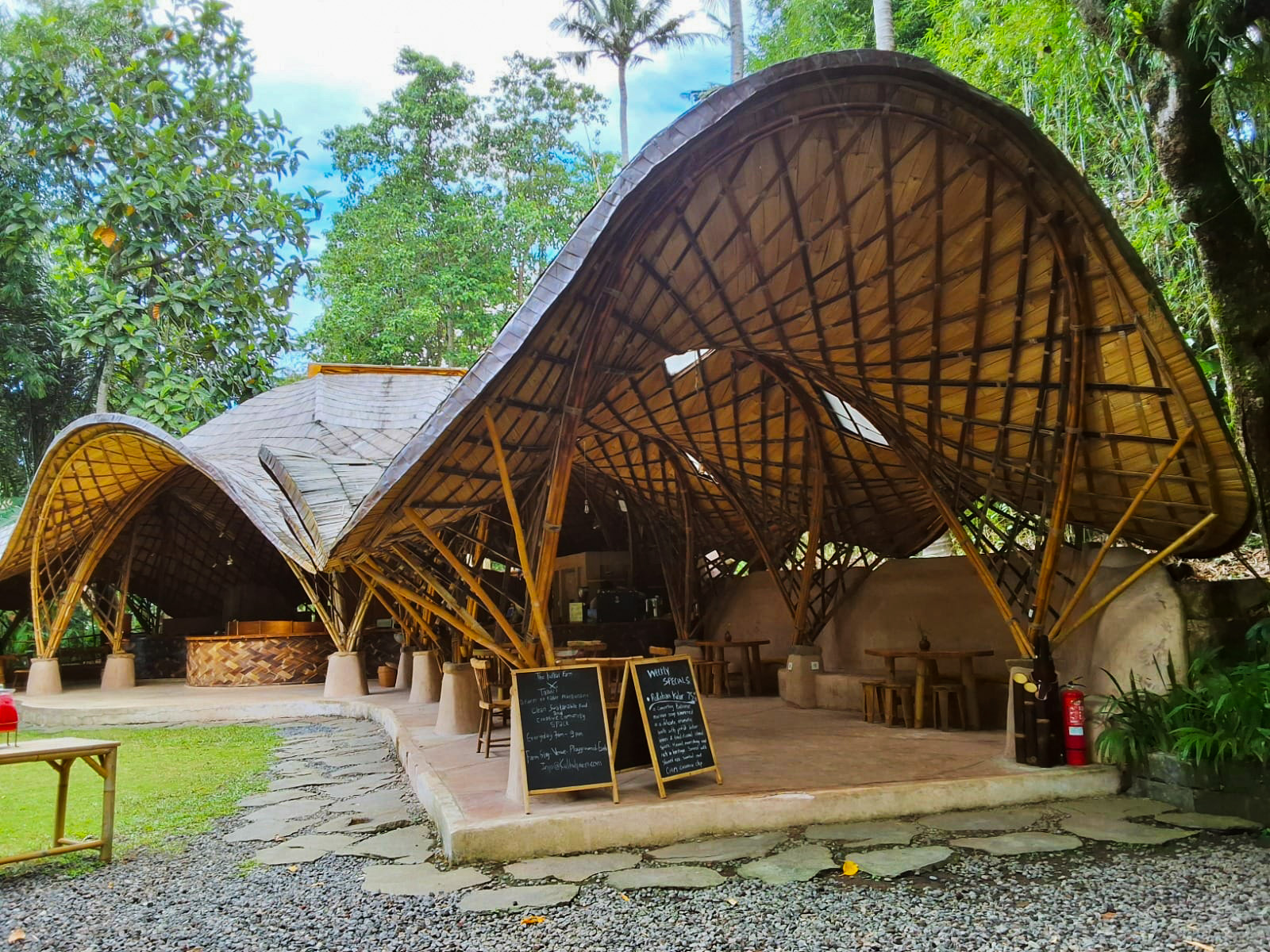
Across Africa, important examples remain, such as the Great Mosque of Djenné in Mali, which demonstrates the extraordinary possibilities of earthen architecture. Countries like Indonesia work extensively with bamboo and take pride in it. This is not a battle of good and bad but rather restoring the freedom to approach building based on performance, context, and evidence. I am greatly inspired by Arch. Francis Kéré of Burkina Faso and Arch. David Adjaye of Ghana for what they are doing for their countries in this regard. I am also trying to work it out in Kenya (and the greater East African region) as part of our service: Alternative Building Technologies.
https://rickfes.co.ke/service/alternative-building-technologies/
Author : Patrick Mwangi
Construction Project Manager
CEO, Rickfes Construction Ltd.