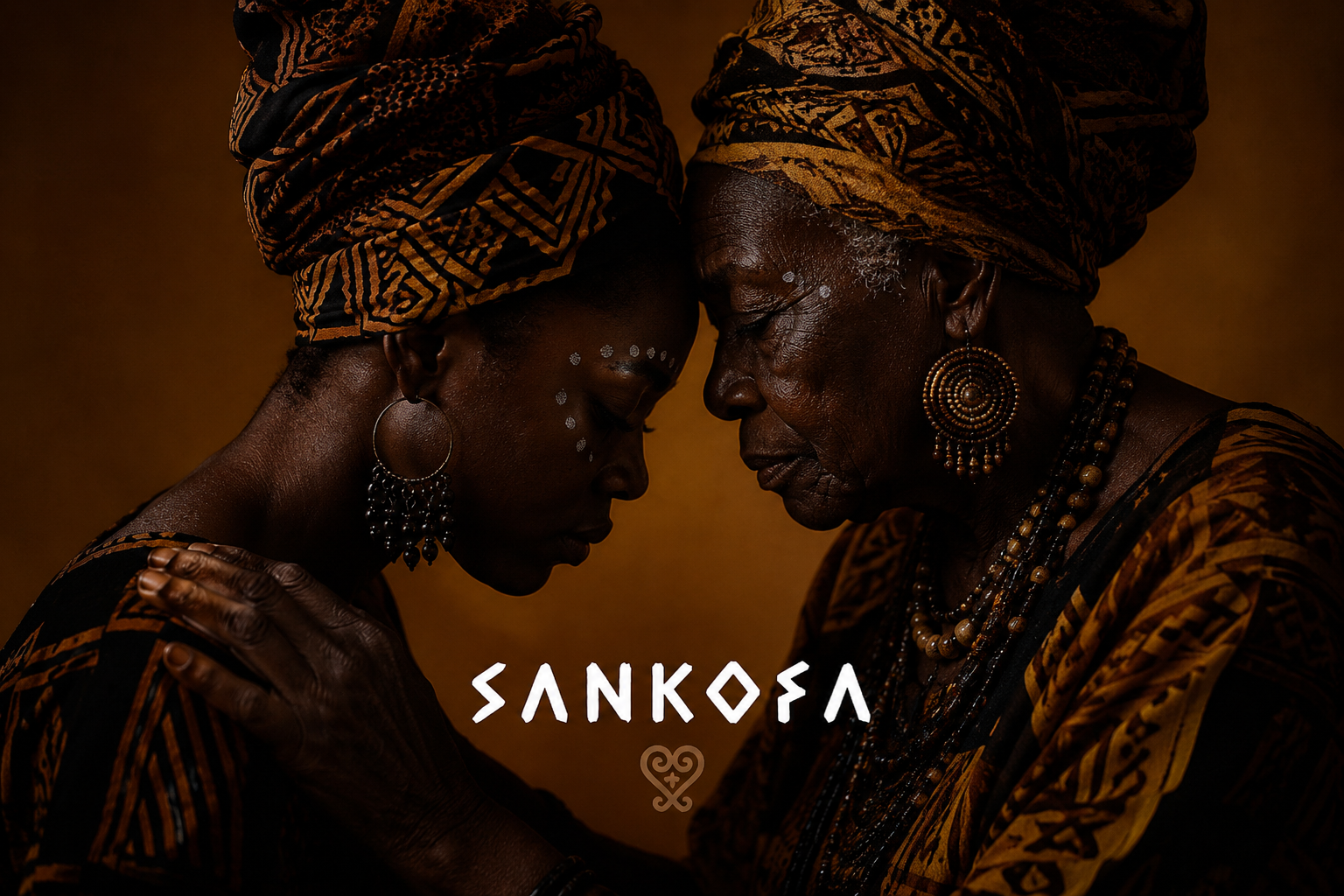


Within just a few years of the general population of the world being introduced to the era of artificial intelligence, and with generative AI still at its very inception, humanity is already standing at a critical crossroads.
Music, too refined and soulless to be real. Photography, too perfect for the human mind, and even nature, to compete with. Graphic designs, too beautiful, too complex, and too perfect for the curious mind to comprehend. Speeches, podcasts, videos, articles, web designs, paintings, all wearing the garments of “too much” perfection for the human mind to decipher.
And the curious minds, the minds that are still alive to the genuine art of imperfection, are already looking for the next exit from an era that already feels more like a creative prison than a movement of creative liberation.
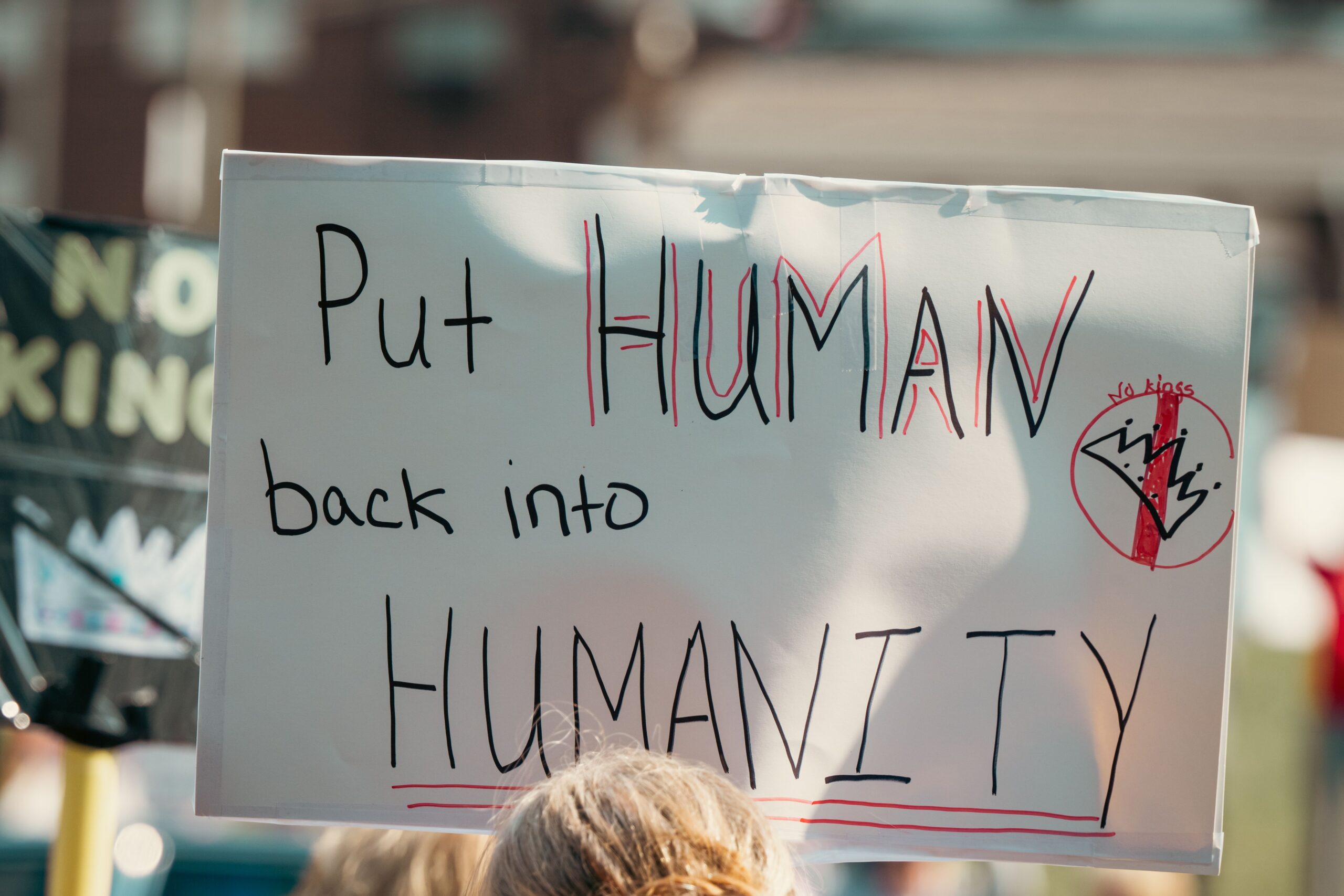
The question is, how do we reintroduce human imperfection into our world? How do we bring soul back into art? How do we bring mistakes back into art? How do we bring humanity back into creativity?
The answer is, you don’t, and you can’t. Just don’t lose them in the first place.
Your imperfection, your creative flaws, your conflicts, your mistakes, and your inability to see the whole at once are what make you human. Whatever can rob you of that glorious state of imperfect perfection should not be tolerated. Your imperfect perfection is what makes you a creative being with soul, a heartbeat, spirit (inspiration), and will.
And I have said this before in my previous articles: just as genetically modified (GMO) foods were introduced into our diets and, after a while, people began intentionally avoiding them and started sourcing trusted organic foods and crops, the same way more people, and even governments around the world, are beginning to put gatekeeping systems in place regarding the use of generative AI.
I saw a headline recently on Google News about Australia and Sweden banning music generated entirely by AI. That is, music with no human input whatsoever, purely generated by AI. The report says that many online music platforms are beginning to do the same, while some do not even allow anything with a touch of AI.
Mind you, this trend of gatekeeping against AI-generated materials is also affecting other areas of our creative lives.
What the curious mind should ask
I have a question: where did AI or the materials in AI-generated content come from?
The answer to this question will vary for different people. But I will share my personal opinion.
Starting from the last part of the question, the general thought is that generative AI agents create your content based on existing materials on the internet. This basic explanation makes sense, but when you think about the fact that this reality means that someone with their AI agents is infringing on the rights of the billions of people who have created and shared their content online for decades, without the least concern if such creative rights are being infringed upon. I am sure you know what I am talking about. The painting or music or article or photo that you generated with an AI agent did not come from outer space; they come from what others have created and genuinely stored online. Technically speaking, we all have become infringers of the creative arts of other people, even as our own creative rights are also being infringed by others. And we don’t appear to be sorry. I guess it just comes with the AI age.
But this also offers its own issue. What are these AI agents? Why are they called agents and not just basic terms like systems or protocols or something else? Why agents? Especially when you know that the term agent can mean someone or something acting on behalf of someone or something else. Think of the notorious CIA agents and their “projects” across the globe. Whose behalf are these AI agents acting, and who created the AI tech itself? I will return to this thought, but for now, let me talk about the first part of my question.
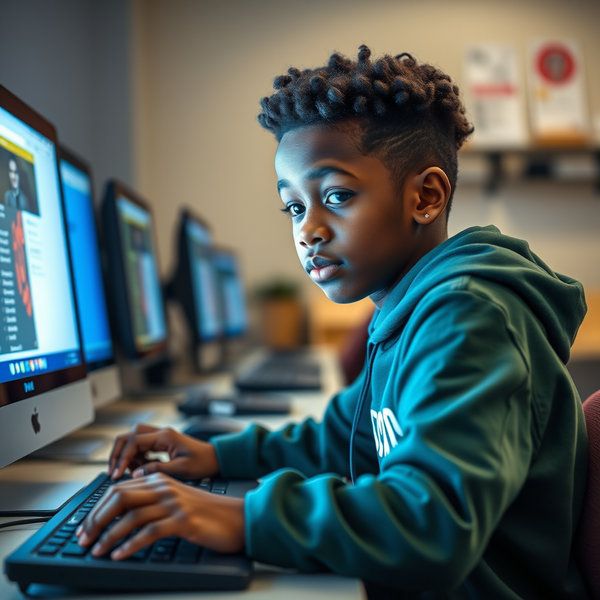
How do you explain to a child that the child in the image is not real?
Where did AI come from?
Again, the answer to this question will really depend on who you are asking and what inside knowledge they may possess. But here is my thought.
I have wondered why everyone- I mean all the major tech CEOs, tech billionaires, and government agencies, even the ones pioneering the building of AI are saying that AI cannot be controlled and that it poses an existential threat to human civilization, and at the same time, they all say they cannot stop building it even if they try. The question a curious mind should ask is: why can’t the development of AI be stopped, or its control guaranteed? My answer is simple. AI is not a human creation. Period. Only those who created it, whoever they are and from whatever civilization they came, have the actual power and ability to stop AI. The humans in the midst are all just “agents” and pawns in the agenda. Therefore, the real owners won’t stop it, not because they can’t, but because AI to them is a major tool for the introduction of the world of humanity to the age that they control. The war against mankind by alien entities did not start today; it started from the day man was created. What we are seeing now is an introduction to that world of alien control.
Finding imperfection in a world of perfectionism
The theme for this issue of the magazine is around the concept of the return to regenerative farming, which technically means a return to farming based on truth, love for safe and healthy food crops, love for healthy soil, genuine concern for the health of our planet, and selfless thoughts and kind intentions towards the health and food of our people. It’s about how we rebuild trust and rebuild the broken indigenous knowledge systems of our people.
But the truth is, such love and concern do not begin with how much money there is to make from farming, but how much healthy food we can bring back to our tables. And while the commercial aspect of farming is genuine and should feature in the conversation, it should never be the driving force for why we do farming. Not paying attention to this would further open the gates of corruption into our food system, and by extension, into our kitchens and our lives.
Take, for example, in an interview by The Economist Magazine, Elon Musk was asked about his beef with Sam Altman of OpenAI. He answered that the original manifesto of OpenAI, run by Sam Altman, was that it would be open-source, but because of money, Sam later turned it into a closed-source platform. Sounds like a noble concern from Elon, but?
I brought up this issue of Elon and Sam to say that when we don’t pay close attention to why we do what we do or clearly articulate the effects of what we do, we can easily take a tangent that endangers our lives and the lives of our people, while even thinking that we are doing the right thing.
Therefore, finding imperfection again means going back to the roots, to culture, to foundations, to source, to heart, to soul, and even to dirt. Every true farmer who understands that land is a living and breathing entity, just as the planet also is, cannot take for granted the beautiful art of planting with source and soul. In the same way, every true creative who understands that “ARTS” carry frequencies cannot help but question the source of their generated content and thus the need to be careful with generative AI whose source and root are not defined.
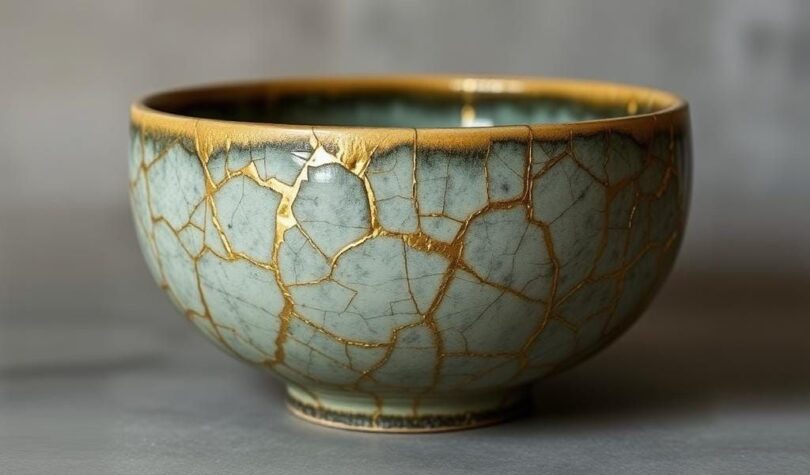
The imperfection that makes us human is not a negative attribute but a consistent reason why we learn to grow, make better choices, and build better relationships with everything around us. AI definitely threatens to take that human journey of imperfection away from us.
And that, I believe, is scary.