

What happens when a country becomes better known for its problems than its possibilities?
That is one of the challenges Nigeria faces internationally.
Mention Nigeria in some parts of the world and the conversation can quickly turn to scams, fraud, kidnapping, terrorism and insecurity. Yet this is only one part of a country of more than 250 ethnic groups, extraordinary cultural diversity, globally influential music, fashion, film, food and art.
The question is not whether Nigeria has a story to tell. The question is who is telling it.
Tourism may be one of the most powerful tools Nigeria has for changing that narrative because tourism allows people to move beyond headlines and experience a place for themselves.
Changing perceptions begins with experience
During a conversation about Nigerian tourism, Otunba Michael, a Nigerian tourism professional, described a recurring experience among foreign visitors.
People arrive expecting one Nigeria and discover another.
He recalled a group of tourism professionals from South Africa who visited Nigeria and told him, “This is not what we thought about your country.” I bet you, this statement might not be the first he has heard from visitors coming into the country.
That sentence says a great deal about the power of direct experience.
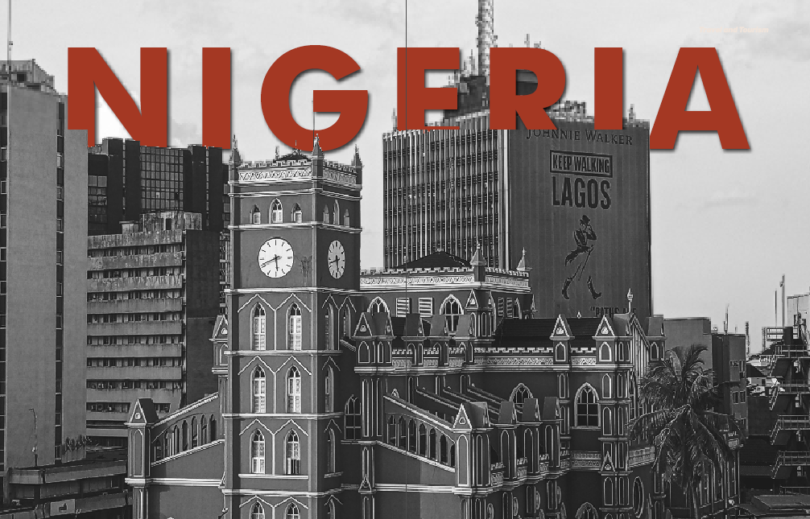
A person who only encounters Nigeria through international headlines may develop a very different impression from someone who spends a week in Lagos, visits a gallery, eats Nigerian food, attends a festival, meets local people and travels to Badagry or any of the thousands of interesting places in Nigeria.
The tourist does not simply consume an attraction. They become a witness. And eventually, they become a storyteller.
Otunba Michael described how visitors who experience Nigeria firsthand can return home as unofficial ambassadors, sharing their photographs and memories with friends and followers.
That is powerful branding because it is personal and it is real.
Nollywood has already been telling Nigeria to the world
Nigeria’s creative industry may be the country’s most underused tourism marketing machine.
For decades, Nollywood has carried Nigerian stories into homes across Africa and beyond. But the kind of stories being told matters.
Michael observed that many older Nigerian films portrayed ritualists and other dark themes so frequently that foreign audiences could begin to assume those images represented ordinary Nigerian life. Later, the emergence of stories around fraud and internet scams reinforced another negative stereotype.
But storytelling is not carved in stones, it can change. And this is one thing that is already happening.
The interview points to a shift toward films portraying Nigerians as hardworking, intelligent, dedicated and heroic rather than reducing the country to stories about crime, kidnapping or superstition.
That evolution matters.
Why? Film is not simply entertainment. It is cultural diplomacy. It is advert.
People learn how others dress, eat, speak, celebrate, build homes, conduct relationships and understand family through stories. Many people have learned about Indian culture through Bollywood, for example. Nigerian cinema can perform the same function for Nigeria.
The objective should not be propaganda. Nigerian filmmakers should still be free to tell difficult stories. But the national image should not be defined exclusively by its darkest stories.
Art can turn visitors into participants
The same principle applies to visual art.
Nigeria’s art scene already attracts international attention, alongside fashion and culinary experiences.
Art galleries, studios, museums and cultural centres can become tourism destinations themselves.
A visitor who buys a painting, sculpture, textile or piece of Nigerian design does not simply take home an object. They take home a piece of the country.
This is where tourism and creative industries become inseparable.
Michael’s own experience illustrates the connection. His tourism business eventually developed a souvenirs arm because visitors would see something they liked and ask where they could buy it. A tour could lead to an art gallery or market, which could lead to a purchase and eventually to another person discovering Nigerian culture.
That is the tourism ecosystem at work.
Music has already crossed the border
Afrobeat provides perhaps the clearest evidence that Nigeria can shape global perception through culture. The interview notes the international interest in collaborations with Nigerian artists and the growing global reach of Nigerian music.
Music creates curiosity, curiosity creates travel and travel creates unparallel lessons about people and places that the headlines will never do.
A person who discovers Nigeria through a song may eventually want to experience Lagos nightlife, Nigerian food, fashion, festivals and culture in person. This is why Nigeria should stop thinking of tourism, music, fashion, art and film as separate industries. They are different doors into the same cultural house.
Tourism itself can become a rebranding strategy
The strongest tourism campaign may not be an advertisement. It may be a visitor.
Otunba Michael described tourism as something that can foster peace and change perceptions because travellers have to confront practical questions about safety, hospitality and accessibility before they decide to visit.
Once people actually experience a destination, stereotypes can become more complicated—and sometimes disappear.
That does not mean Nigeria should pretend its challenges do not exist. Security concerns are real, and the tourism industry itself acknowledges that certain areas remain unsuitable for visitors because of travel advisories.
Rebranding must therefore be based on reality.
Nigeria cannot simply advertise itself as safe, welcoming and beautiful. It must continuously improve safety, transport, infrastructure and visitor services so that the experience matches the message.
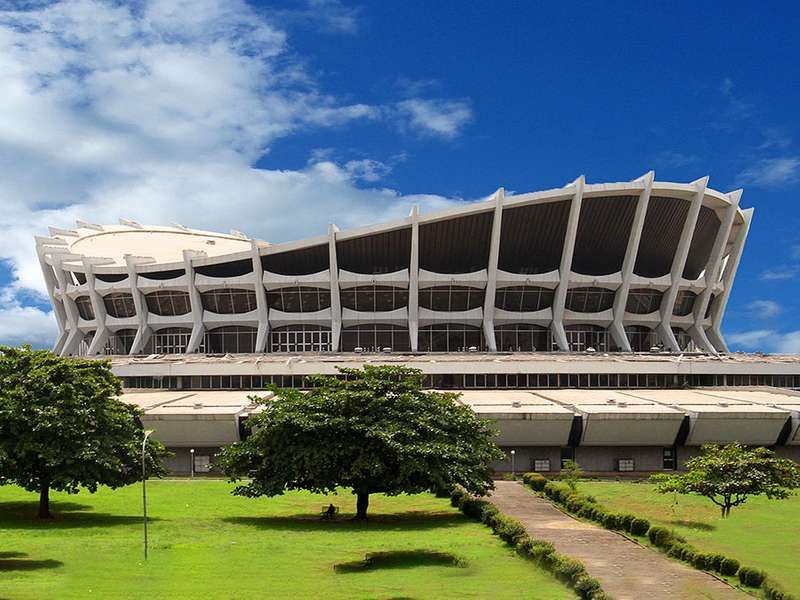
National theatre, Lagos, Nigeria.
Tell the whole story
Perhaps Nigeria’s greatest branding problem is that too little of its positive story reaches the international audience.
Michael compared Nigeria’s international tourism promotion with countries that invest heavily in global media campaigns. He argued that Nigeria has not yet reached the same level of sustained international promotion.
But Nigeria does not have to depend entirely on expensive television advertising, it can use its greatest advantage: its people.
Filmmakers can showcase destinations through compelling stories. Musicians can shoot videos in Nigerian locations. Fashion designers can connect their collections to Nigerian cities and heritage. Artists can transform museums and galleries into international destinations. Influencers can document authentic journeys. Tour operators can bring visitors to places such as Badagry, Calabar and Lagos and encourage them to share their experiences.
The strategy should be coordinated, but the voices should remain diverse.
The ultimate goal is not to convince the world that Nigeria has no problems, it is to make sure that when people think of Nigeria, problems are no longer the only things that come to mind.
There is another Nigeria: creative, energetic, historic, colourful, entrepreneurial and deeply cultural.
And perhaps the best way to introduce that Nigeria to the world is not to tell people what to think.
It is to invite them to come and see it for themselves.
In my musings, I realized that “the best way to tell a story is to allow the story tell itself.”