

When we talk about development in Liberia, much of the conversation understandably centers on what we need: investment, infrastructure, technology, equipment, housing, and skilled professionals. But I believe there is another question worth asking: What do we already have?
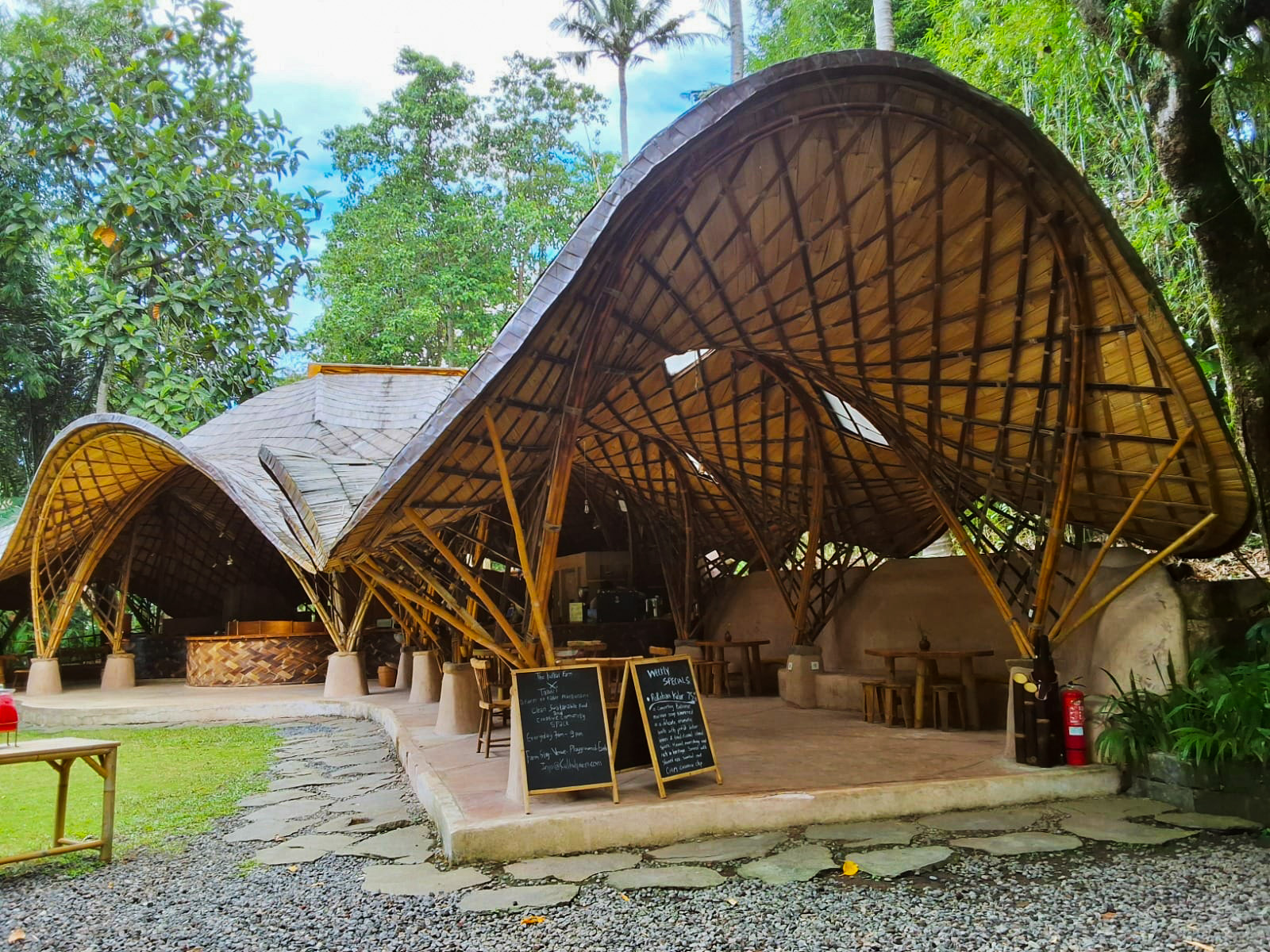
Liberia is rich in natural resources. We have earth, timber, bamboo, stone, and generations of knowledge about building in a hot, humid, high-rainfall environment. These resources may not provide the answer to every construction challenge we face, but they deserve a more prominent place in the conversation about how we build for Liberia’s future.
Somewhere along the way, many of us across Africa began associating “modern” construction with imported materials and building styles. Yet a building does not become modern simply because its materials or design came from somewhere else. Perhaps it is time to reconsider that assumption and explore what modern construction can look like when it grows from the climate, resources, knowledge, and needs of the place where it is built.
Modern does not have to mean imported, and local does not have to mean inferior.
Building for the Place Where We Live
Buildings should respond to the environments in which they stand. Liberia’s heat, humidity, intense rainy season, and, in many places, inconsistent electricity should influence how we design and construct our buildings. Good architecture should work with those conditions rather than requiring us to constantly work against them.
Building orientation, cross-ventilation, high ceilings, shaded windows, deep roof overhangs, verandas, vegetation, and appropriate materials can all help create buildings better suited to our climate. These are not outdated ideas; they are principles of climate-responsive design that can reduce heat gain, encourage natural airflow, and help protect buildings from heavy rainfall.
When these principles are combined with modern engineering, renewable energy, contemporary water and sanitation systems, and thoughtful design, we are not moving backward. We are exploring what a distinctly modern Liberian approach to building might become—one shaped not only by how a building looks, but by how well it responds to the place where it stands.
Exploring Building With Compressed Earth Block in Liberia
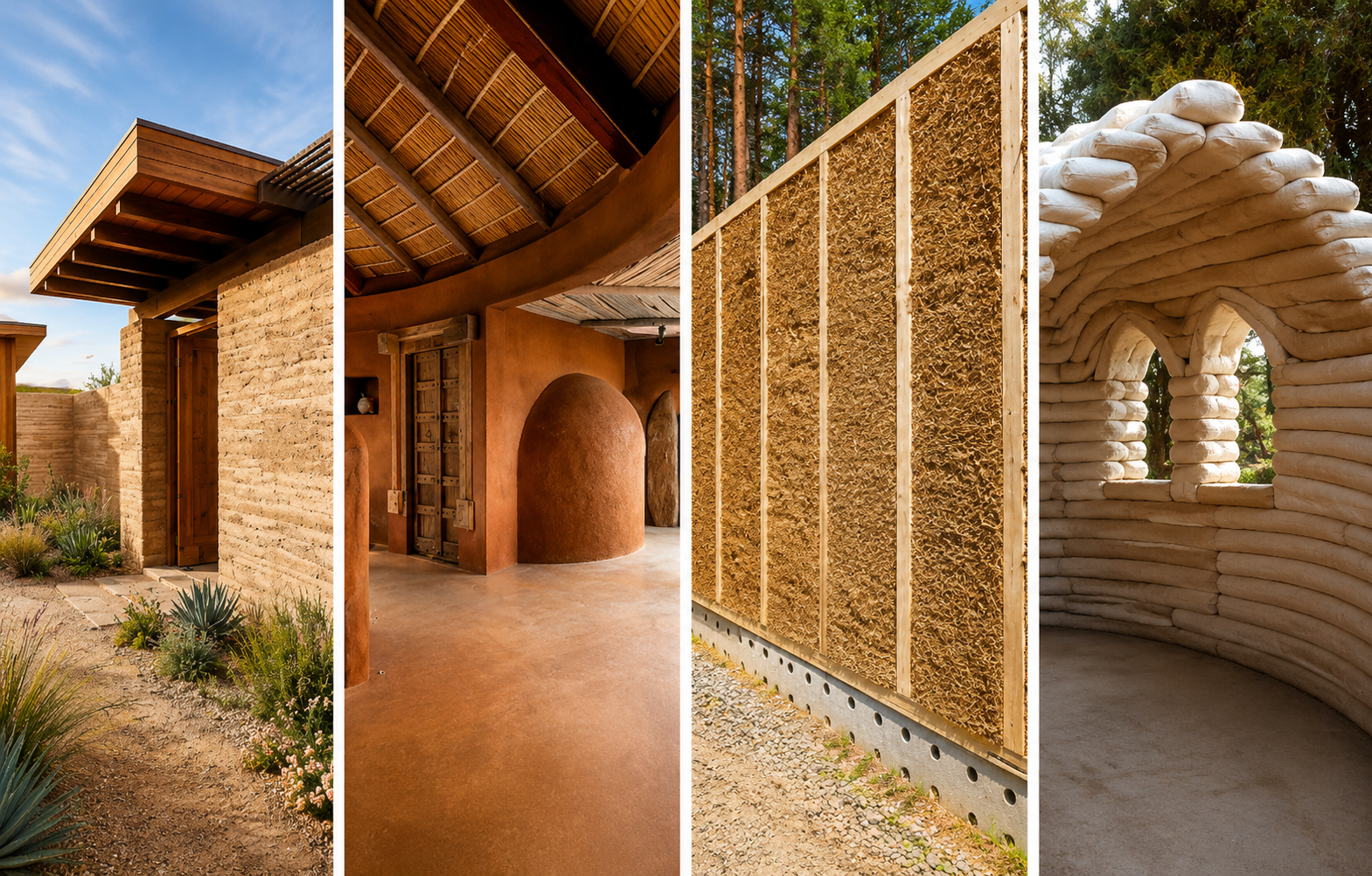
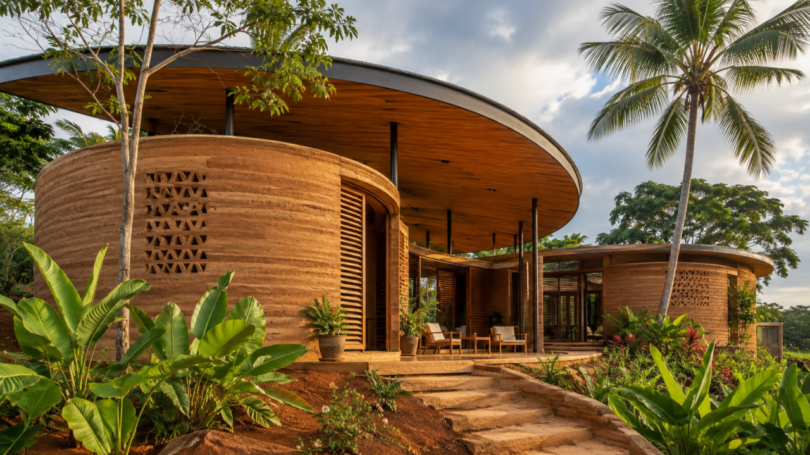
One material that particularly interests me is Compressed Earth Block (CEB). CEBs are produced by compressing an appropriate soil mixture into uniform building blocks and, depending on the soil, intended use, and engineering requirements, may also be stabilized. For Liberia, the possibility of turning suitable locally available soil into a quality construction material deserves serious exploration.
If appropriate soils can be used successfully, the benefits could extend beyond the buildings themselves. Local production could reduce the need to transport some construction materials over long distances while creating opportunities for technical training, small businesses, skilled employment, and entrepreneurship. In a country where the cost of conventional construction can put decent housing beyond the reach of many families, those possibilities are worth investigating.
At the same time, CEB should not be treated as the answer simply because it uses earth. Liberia’s heavy rainfall, high humidity, and varying soil conditions demand proper engineering, drainage, foundations, moisture protection, roof design, consistent block production, and quality control. The question is therefore not whether Liberia should suddenly start building everything with CEB, but something much more useful: Where, how, and under what conditions could CEB work well in Liberia?
Learning From Our Next-Door Neighbor: Ghana
Ghana, our next-door neighbor, offers a compelling example of what is possible. Accra-based Hive Earth, co-founded by Joelle Eyeson and Kwame Deheer, is helping challenge the perception that building with earth belongs only to the past. Through contemporary earth architecture, experimentation with local materials, and hands-on workshops, its work demonstrates how natural materials can be combined with modern design, craftsmanship, and climate-responsive building.
Nojo Village offers another example of sustainable building taking place in Ghana, connecting affordable housing with local materials such as compressed earth blocks and sustainable timber. Its approach also links construction to local jobs and a broader community ecosystem that includes energy, farming, healthcare, and education.
For Liberia, examples like these raise an important possibility: could greater use of our own materials help us build more affordably while also developing skills, jobs, and local enterprise?
Africa Is Already Showing Us What Is Possible
Across the continent, African architects and builders are demonstrating that contemporary architecture does not have to imitate buildings designed for Europe, North America, or elsewhere.
I am particularly inspired by Francis Kéré of Burkina Faso, whose work combines local materials, community participation, and climate-responsive design; Mariam Issoufou Kamara of Niger, whose architecture draws from the culture, climate, materials, and identity of place; and Nzinga Biegueng Mboup and the work of Worofila in Senegal, which explores bioclimatic architecture and natural materials suited to West Africa’s climate.
Liberia must also be part of this conversation. Liberian architects, engineers, contractors, builders, and craftspeople possess knowledge of our environment that cannot be imported. Professionals such as architect Karen Richards Barnes and builder and contractor Queenie Pauline Davis, widely known as Liberia’s “Iron Lady,” remind us that the expertise required to shape Liberia’s built environment should also be developed, supported, and celebrated at home.
The larger lesson I take from all of them is simple: Africa does not have to import its architectural identity.
Building Skills for Liberia’s Future
Liberia has an opportunity to explore these building methods on our own terms through research, demonstration, and training. Small demonstration projects could bring together Liberian architects, engineers, builders, researchers, vocational instructors, and students to test locally available materials under actual Liberian conditions, documenting construction costs, durability, indoor comfort, moisture resistance, and performance through our rainy seasons.
Rather than simply importing a building method and assuming it will work here, we could develop the knowledge needed to determine what works for Liberia and then share what we learn.
If Liberia needs people willing to demonstrate what this kind of building can look like, count me in. When I build my home in Liberia, I would love for it to become one example of how local materials, thoughtful design, and modern engineering can come together.
What particularly excites me is what this knowledge could mean for technical and vocational education throughout Liberia. Students in vocational institutions across the country could have opportunities to learn sustainable construction methods alongside conventional building techniques, giving the next generation of Liberian builders a broader set of skills.
Masonry students might learn conventional concrete-block construction alongside CEB production and construction, while carpentry and architectural drafting students could explore sustainable timber, passive cooling, building orientation, natural ventilation, and rainwater management as part of their training.
This would not mean replacing the construction methods already being taught. It would mean expanding the Liberian builder’s toolbox while creating new possibilities for skilled employment and entrepreneurship. If research demonstrates that CEB and other locally available materials can perform safely, durably, and economically in Liberia, our vocational institutions could play an important role in moving that knowledge from experimentation into communities across the country.
CEB may or may not prove appropriate for every community, project, or region in Liberia, and no single material will solve our housing and construction challenges. But that is precisely why research, experimentation, and training matter. We should understand what our locally available materials can do, where they can be used effectively, and how they can contribute to safe, durable, affordable, and climate-responsive construction.
Liberia can learn from what is happening elsewhere in Africa while developing solutions grounded in our own environment, knowledge, and needs. If we combine local materials with modern engineering, thoughtful design, and skilled Liberian builders, perhaps we can begin asking a different question about development:
What would happen if we began building more of Liberia with Liberia?
Further Reading & Sources
- Hive Earth: https://www.hiveearth.com/
- Nojo Village — Sustainable Housing and Local Materials: https://nojo.group/