

What is Indigenous Knowledge?
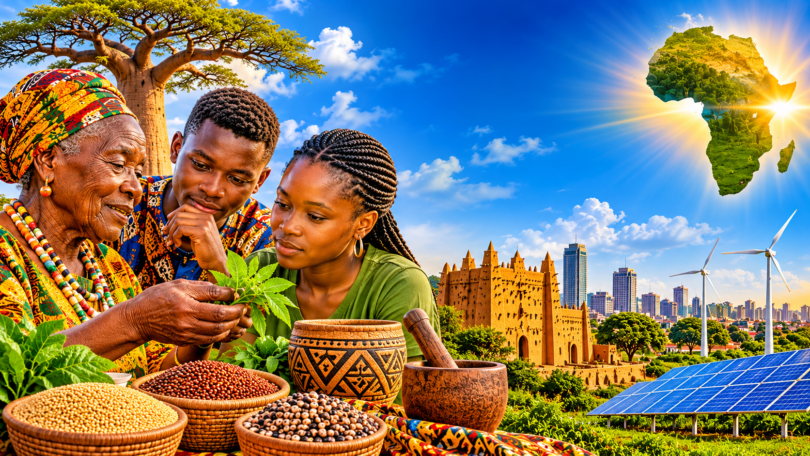
Indigenous knowledge refers to the knowledge, wisdom, skills, practices, beliefs, technologies and systems of understanding that African communities have developed, preserved and transmitted across generations through lived experience. It is knowledge developed through generations of interaction with nature, society, spirituality, culture and the environment.
It includes but is not limited to:
-
Agriculture: Indigenous seeds, crop rotation, mixed farming, soil conservation, food preservation and seasonal planting.
-
Medicine: Herbal remedies, traditional healing, midwifery, preventive healthcare and knowledge of medicinal plants.
-
Environmental conservation: Sacred forests, traditional water management, wildlife conservation and sustainable resource use.
-
Architecture: Rammed earth, adobe, stone construction, thatched roofs, natural ventilation and climate-responsive building.
-
Governance: Traditional leadership, community consensus, mediation, restorative justice and communal responsibility.
-
Education: Oral traditions, storytelling, apprenticeship, proverbs, initiation into responsibilities and inter-generational learning.
-
Economics: Communal resource management, barter, collective labor, mutual support and community-based production.
-
Food systems: Indigenous crops, traditional diets, fermentation, food preservation and nutritional knowledge.
-
Culture and identity: Languages, music, dance, craftsmanship, philosophy, spirituality and indigenous worldviews.
An important distinction: Indigenous knowledge is not simply a collection of ancient traditions. It is a living, evolving body of knowledge that can respond to contemporary challenges.
The question is not whether Africa should return to the past. It is whether Africa can draw from its accumulated wisdom to build a better future. But until this question becomes a driving force in the hearts of every African to seek home-grown solutions, Africa will keep depending on outside forces for its development. And therein lies the under-development of Africa.
Why does Indigenous Knowledge matter to Africa’s recovery?
Africa’s recovery must be understood beyond economic growth, infrastructure development and political independence.
It must also involve intellectual independence, cultural restoration, food sovereignty, ecological regeneration, economic self-determination and the rebuilding of African institutions. There are several reasons indigenous knowledge is central to this process.
A. Reclaiming intellectual sovereignty
One of Africa’s greatest challenges has been the marginalization of its own knowledge systems.
Colonial education and institutions frequently presented European knowledge as universal and African knowledge as primitive, superstitious or unscientific. This created a hierarchy in which Africans were encouraged to look outside their communities for solutions to problems their own societies had been addressing for generations.
Its a subtle indoctrination agenda that reduced Africans to mere consumers, rather than producers, especially when you consider these questions:
-
Why is an African farming technique often considered backward until it is documented, researched and commercialized by a foreign institution?
-
Why are traditional African medicines frequently dismissed while their active ingredients become valuable pharmaceutical discoveries?
-
Why do African architectural solutions need foreign validation before they are recognized as sustainable?
-
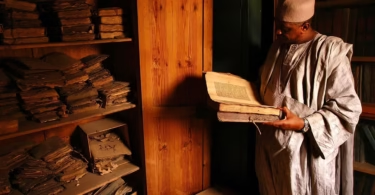
Why are African languages rarely treated as serious languages of scientific and technological instruction? Or why were Africans considered illiterates until the coming of Europeans into the continent even though Africa had hundreds of reading and writing systems that were used to document stories, history, spirituality and even commerce?
Africa’s renewal requires the restoration of confidence in its capacity to generate knowledge. Africa cannot achieve complete intellectual independence while continuing to regard its own knowledge as inferior to knowledge produced elsewhere.
B. Food sovereignty and agricultural independence
Traditional African agriculture offers important lessons:
-
Indigenous seed preservation and exchange.
-
Crop diversification rather than excessive dependence on a single crop.
-
Intercropping and mixed farming.
-
Agroforestry and integration of trees into agricultural landscapes.
-
Soil regeneration through organic matter and traditional soil management.
-
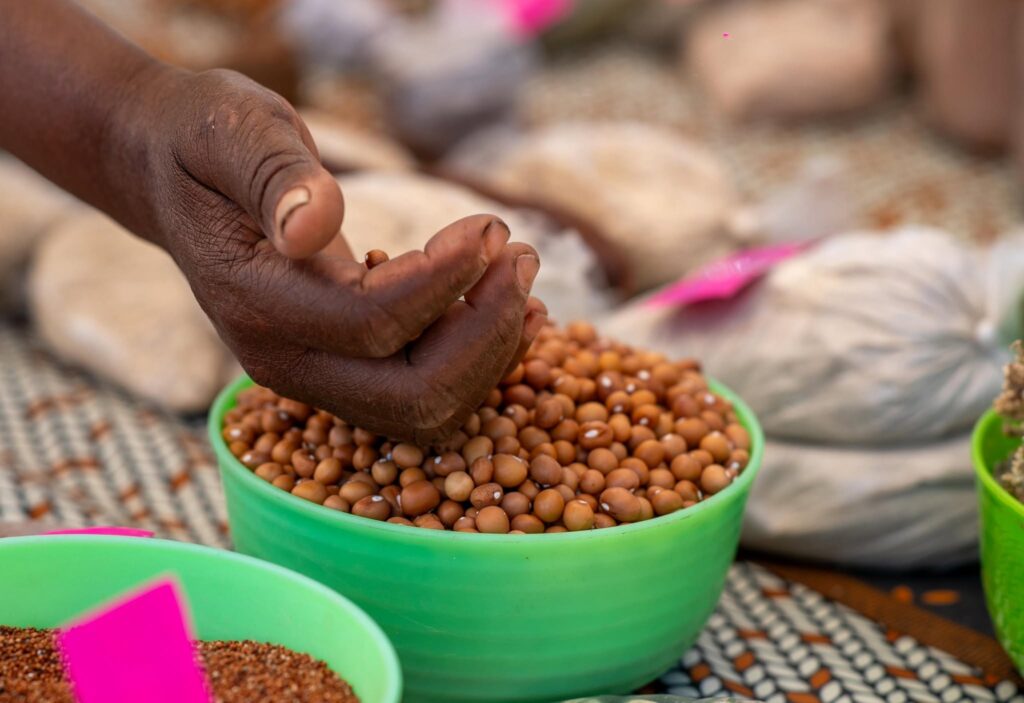
Indigenous drought-resistant crops such as millet, sorghum, cowpeas and Bambara groundnuts.
-
Community seed banks and farmer-managed seed systems.
-
Traditional knowledge of rainfall, seasonal changes and local ecological conditions.
Africa has enormous agricultural potential, yet many countries remain dependent on imported food, fertilisers, agricultural inputs and externally controlled technologies.
This raises a fundamental question:
Can Africa achieve food sovereignty if its farmers do not control the seeds they plant?
Indigenous agricultural knowledge can contribute to a more resilient food system, particularly in the face of climate change.
It should not mean rejecting modern agricultural science. It means combining the strengths of traditional knowledge, contemporary research and local agricultural realities.
C. Climate change and environmental restoration
Indigenous communities possess generations of experience in understanding local ecosystems.
Their knowledge includes:
-
Identifying changing weather patterns through observations of plants, animals, winds and seasonal behaviour.
-
Conserving indigenous tree species.
-
Protecting water sources and wetlands.
-
Managing grazing land sustainably.
-
Preserving sacred natural sites.
-
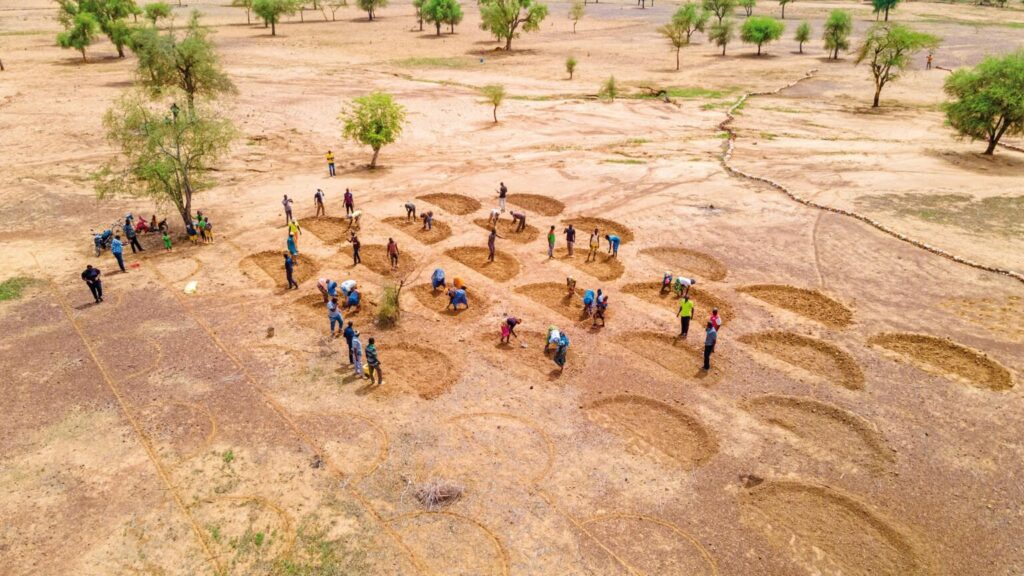
Using traditional irrigation and water-harvesting techniques.
-
Managing fire and preventing land degradation.
-
Maintaining biodiversity through culturally established conservation practices.
There is an important lesson here: nature is not simply a resource to be exploited. It is a living system upon which human survival depends.
African environmental renewal should therefore include indigenous ecological wisdom.
D. Healthcare and traditional medicine
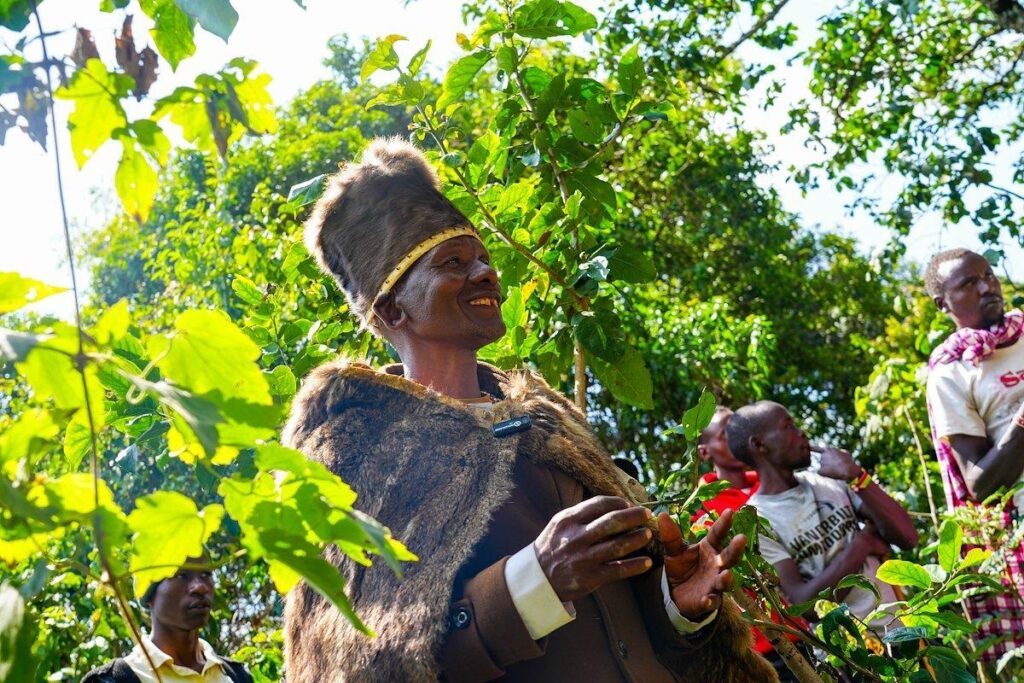
These included:
-
Herbal medicine.
-
Traditional birth attendants.
-
Bone-setting practices.
-
Knowledge of medicinal plants and their preparation.
-
Dietary approaches to maintaining health.
-
Community-based care.
-
Preventive health practices.
-
Psychological and social support through community structures.
Traditional medicine remains an important source of healthcare for many African communities.
However, there is a distinction between respecting indigenous medicine and accepting every traditional remedy without scrutiny.
Africa needs systematic research, documentation, clinical evaluation where appropriate, quality control, safety standards and protection against exploitation.
There are also opportunities for African universities, research institutions and pharmaceutical companies to investigate indigenous medicinal knowledge and develop products that benefit local communities.
Key point: Africa should not have to surrender its medicinal heritage to benefit from modern medical science.
E. Rebuilding African identity and cultural confidence
One of the deepest consequences of colonialism was not merely the loss of political and economic control. It was the disruption of cultural confidence.
Many Africans inherited an education system that taught them to admire external civilizations while treating their own histories and philosophies as insignificant.
Indigenous knowledge provides a foundation for reconnecting Africans with their identities.
Consider African philosophical concepts such as:
-
Ubuntu: The understanding that human existence is interconnected and that our humanity is realized through our relationships with others.
-
Sawubona: A Zulu expression meaning “I see you”, carrying a deeper sense of recognition and acknowledgment.
-
Sankofa: A concept associated with looking back to retrieve valuable knowledge from the past as we move forward.
-
Ujamaa: A Swahili concept of familyhood and cooperative social and economic responsibility.
-
Harambee: A Kenyan tradition and concept of collective effort and pulling together.
These are not merely cultural expressions. They contain ideas about human relationships, community, responsibility, economics and social organization.
Africa’s renewal must also be a renewal of its intellectual and philosophical traditions.
F. Natural building and sustainable human settlements

This is an area that deserves much more attention in Africa’s development conversation.
African societies developed building techniques suited to their climates, available materials and ways of life.
Examples include:
-
Rammed-earth construction.
-
Adobe and mud-brick construction.
-
Stone construction.
-
Thatch roofing.
-
Natural ventilation and passive cooling.
-
Courtyard-based building designs.
-
Locally sourced construction materials.
These techniques can offer lower embodied carbon, thermal comfort and reduced dependence on imported construction materials when appropriately designed and maintained.
The opportunity is to combine indigenous architectural knowledge with modern engineering, structural testing and contemporary design.
Imagine African cities where natural building is not regarded as a sign of poverty, but as a sophisticated approach to sustainable architecture.
Important question: Why should Africa continue importing expensive and environmentally damaging building solutions when it possesses centuries of experience in building with its own natural materials?
G. Indigenous knowledge and Africa’s economic transformation
Indigenous knowledge is also an economic resource.
Africa’s traditional knowledge systems contain opportunities for entrepreneurship, industrialization, tourism, agriculture, healthcare, construction and creative industries.
Consider the possibilities:
-
Commercializing indigenous crops and foods.
-
Developing pharmaceutical products from properly researched medicinal plants.
-
Building industries around natural construction materials.
-
Developing community-based ecotourism.
-
Creating markets for indigenous crafts, textiles and artistic traditions.
-
Developing organic farming and natural body-care industries.
-
Documenting and commercializing African cultural intellectual property fairly.
-
Developing technologies inspired by indigenous solutions.
The critical issue is ownership.
Africa must avoid a situation where communities provide the knowledge, external institutions develop the products, and the financial benefits flow elsewhere.
Indigenous knowledge should become a foundation for African wealth creation, not another resource extracted from African communities.
H. African languages as vehicles of knowledge
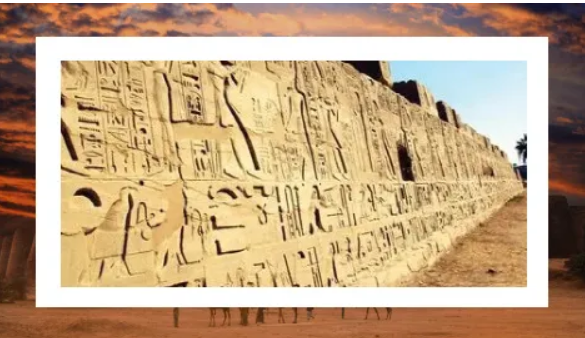
Language is one of the most important but frequently overlooked aspects of indigenous knowledge. Therefore it should be considered unwise for anyone to assume that Africa did not have reading and writing systems before the coming of Europeans.
Much African knowledge is embedded in local languages, including knowledge that cannot always be translated without losing its meaning.
Think about:
-
Agricultural terminology.
-
Names of medicinal plants.
-
Indigenous ecological classifications.
-
Proverbs containing philosophical wisdom.
-
Traditional laws and customary practices.
-
Oral histories and cultural memory.
-
Indigenous mathematical and technological concepts.
When a language disappears, we risk losing an entire way of understanding the world.
Africa needs to invest in developing its indigenous languages as languages of education, research, technology, literature and public administration.
This does not mean abandoning international languages. It means ensuring that Africans can create, preserve and transmit knowledge in languages they understand and own.
I. Education: Reconnecting generations
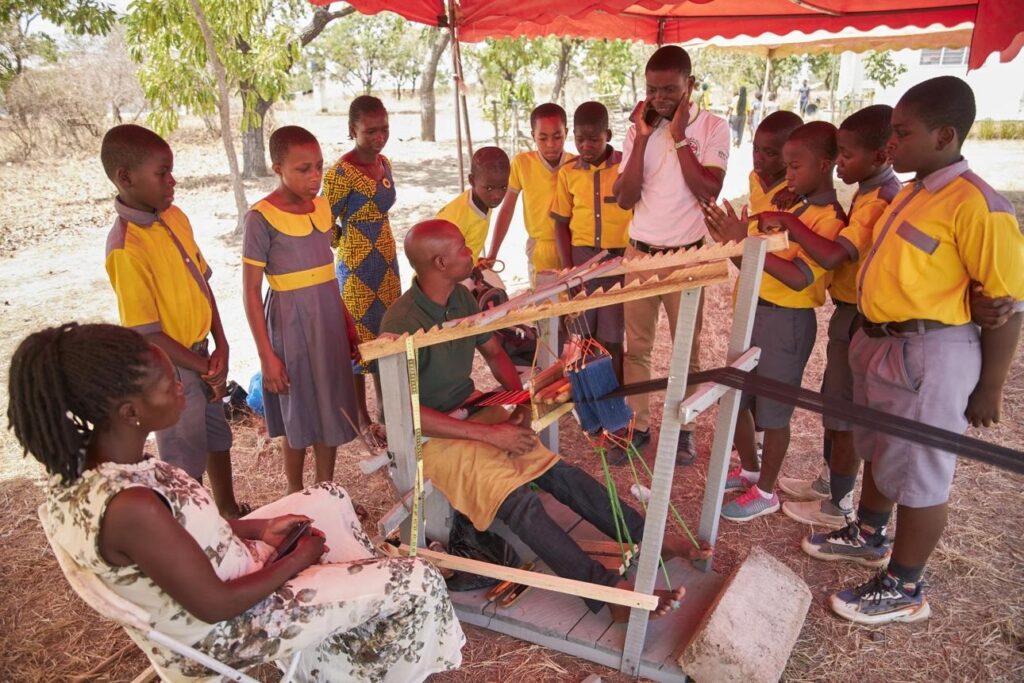
One of the greatest threats to indigenous knowledge is the breakdown of inter-generational transmission.
In many communities, older people possess knowledge that is not adequately documented or taught to younger generations.
When these knowledge holders die, valuable information may disappear with them.
Education systems should therefore:
-
Introduce indigenous knowledge into school curricula.
-
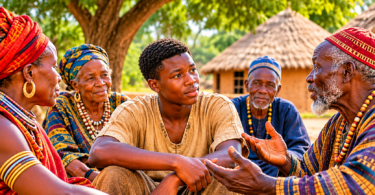
Encourage young people to learn from community elders.
-
Establish community knowledge centres.
-
Support research into indigenous technologies.
-
Encourage universities to collaborate with traditional knowledge holders.
-
Document oral histories and local languages.
-
Encourage young African innovators to develop modern applications of indigenous knowledge.
Imagine an African university where a traditional farmer, herbal practitioner, architect or craftsperson is recognized as a knowledge expert and invited to contribute to research and teaching.
The classroom should not be the only place where knowledge is recognized. The community itself is a university.
J. Indigenous governance, Ubuntu and community renewal
Africa’s traditional governance systems also contain lessons for contemporary society.
Some African communities developed approaches to resolving disputes, managing common resources, building consensus and maintaining social cohesion.
Consider:
-
Community-based mediation.
-
Restorative justice.
-
Collective responsibility.
-
Shared resource management.
-
Intergenerational accountability.
-
Community participation in decision-making.
Ubuntu, for example, offers a philosophical framework that places human relationships and mutual responsibility at the centre of social existence.
However, traditional governance should not be romanticized. Some customary systems have also reinforced discrimination, exclusion and unequal power relations.
The objective should be to recover valuable principles while upholding human rights, equality, accountability and democratic participation.
3. Indigenous knowledge is not opposed to modern science
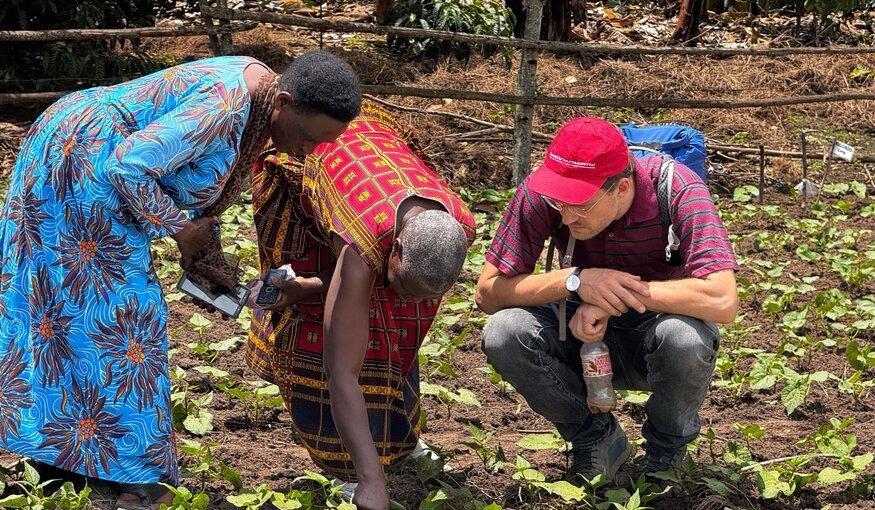
Ugandan Farmers Teach Scientists to Rethink Seed Systems – Crop Trust croptrust.org
This is perhaps one of the most important points on has to keep in mind when discussion Africa’s knowledge systems.
There is sometimes a false choice presented between indigenous knowledge and modern scientific knowledge.
We should reject that false choice. The two can complement one another.
For example:
| Indigenous knowledge | Modern scientific contribution |
|---|---|
| Traditional weather observation | Meteorological data and forecasting |
| Indigenous seed selection | Plant genetics and seed research |
| Herbal medicine | Pharmacology and clinical research |
| Traditional water harvesting | Hydrological engineering |
| Natural building | Structural engineering and material testing |
| Traditional food preservation | Food science and safety standards |
| Indigenous conservation | Ecology and biodiversity monitoring |
The objective should be knowledge integration, not knowledge replacement.
Indigenous knowledge often provides local context, accumulated experience and practical understanding. Modern science can provide additional measurement, testing, validation and technological development.
The two can produce better solutions together than either might produce in isolation.
The IPCC’s assessment of Africa’s climate vulnerability recognizes that indigenous and local knowledge has helped communities manage droughts, floods, rainfall variability and other climate hazards.
NESCO also recognizes the contribution of African pastoralist knowledge to understanding seasonal changes, rainfall, grazing and water availability.
A powerful statement: Modern science should not be the gatekeeper that determines whether African knowledge deserves to exist. It should be a partner in investigating, strengthening and developing that knowledge.
4. What are the major obstacles to the preservation and application of Indigenous Knowledge?
This is where the discussion becomes particularly important. Recognition alone is not enough.
1. Colonial mentality and knowledge hierarchy
The perception that indigenous knowledge is inferior continues to influence education, research, government policy and economic development.
2. The disappearance of indigenous languages
As languages disappear, the knowledge embedded within them becomes increasingly difficult to preserve and transmit.
3. The death of knowledge holders
Elders and traditional practitioners are passing away without their knowledge being adequately recorded or passed on.
4. Inadequate government recognition
Indigenous knowledge is often discussed in development policy but poorly integrated into actual implementation.
5. Intellectual property theft and biopiracy
Indigenous knowledge can be commercially exploited without the knowledge, consent or fair participation of the communities that developed it.
For example, medicinal plants, seeds and traditional formulations may attract commercial interest without adequate recognition of their original knowledge holders.
6. Weak research and documentation infrastructure
Many African universities and research institutions have not invested sufficiently in documenting and investigating indigenous knowledge.
7. Urbanization and changing lifestyles
Rapid urbanisation, changing consumption patterns and the abandonment of traditional occupations can interrupt knowledge transmission.
8. Commercialization without community benefit
There is a danger that indigenous knowledge becomes another commercial opportunity for outside investors while the originating communities remain economically marginalized.
9. Gender inequality
Women are often major custodians of indigenous knowledge, particularly in seed preservation, food production, medicinal plants, childcare and food processing.
Yet their contributions are frequently underrecognised in formal research and development.
10. Romanticizing the past
Not everything traditional is necessarily effective, safe, fair or sustainable.
Some practices must be questioned, tested or abandoned.
Africa must be able to distinguish between valuable inherited wisdom and practices that no longer serve society.
5. Protecting Indigenous Knowledge: Who owns it?
This is a particularly important subject that could generate a strong discussion.
Who owns indigenous knowledge?
Is it the individual who discovered a particular application? The family that preserved it? The community that developed it? Or the wider society?
Traditional knowledge does not always fit neatly into conventional intellectual property systems, which are often designed around identifiable individual inventors and fixed periods of ownership.
Africa needs stronger mechanisms for protecting community knowledge.
These could include:
-
Legal recognition of community-held traditional knowledge.
-
Prior informed consent before commercial exploitation.
-
Fair and equitable benefit-sharing arrangements.
-
Protection of indigenous seeds and farmers’ rights.
-
Community-controlled documentation and archives.
-
Protection of sacred or confidential knowledge.
-
Recognition of traditional knowledge holders in research partnerships.
-
African-led intellectual property frameworks.
An important international instrument is the Nagoya Protocol under the Convention on Biological Diversity. It establishes a framework for access to genetic resources and fair benefit-sharing, including relevant traditional knowledge associated with those resources.
The African Union also has a broader development framework in Agenda 2063, which prioritises science, technology, innovation, agricultural transformation and inclusive development.
6. Practical African examples and opportunities
Africa does not lack practical examples and opportunities for its indigenous knowledge system use. Here are a few examples:
Teff is an indigenous Ethiopian grain and an important part of the country’s food culture. It demonstrates the agricultural, nutritional and economic value of indigenous crops.
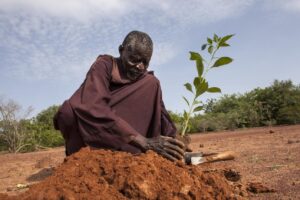
Traditional planting pits, known as zai, concentrate water and organic matter around crops, helping rehabilitate degraded land and improve agricultural production.
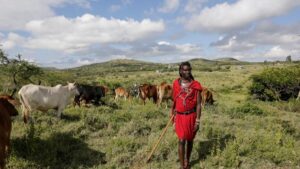
Pastoral communities possess detailed knowledge of grazing patterns, livestock, water sources, seasonal changes and ecological conditions.
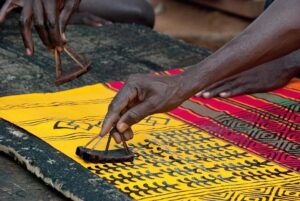
Adinkra symbols communicate philosophical, ethical and social ideas. They demonstrate how cultural knowledge can be preserved, interpreted and developed into contemporary creative industries.
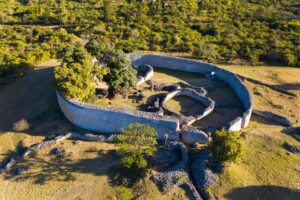
Great Zimbabwe demonstrates sophisticated historical stone construction and spatial organization, challenging simplistic narratives about African technological history.
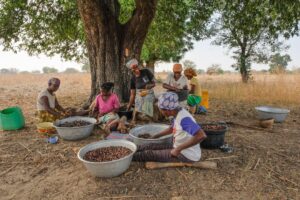
Generations of women’s knowledge of harvesting and processing shea nuts have created an important livelihood and commercial value chain, while raising questions about fair compensation and ownership.
These examples illustrate different dimensions of indigenous knowledge: agriculture, environmental management, architecture, philosophy, culture and community enterprise.
7. What should Africa do to recover and revitalize Indigenous Knowledge?
Recognition must translate into deliberate action. Here are ten areas where African governments, institutions and communities can make a difference.
1. Establish indigenous knowledge research institutions. African universities should establish dedicated centres for researching, documenting and developing indigenous knowledge systems.
2. Reform education. African history, philosophy, agriculture, medicine, architecture and indigenous technologies should become meaningful parts of education curricula.
3. Create community knowledge archives. Record oral histories, indigenous languages, traditional practices and the experiences of elders before they disappear.
4. Invest in indigenous agriculture. Support indigenous seed banks, local farmers, traditional food systems and research into climate-resilient crops.
5. Develop African traditional medicine. Fund research, establish appropriate regulatory frameworks and strengthen collaboration between traditional practitioners and medical scientists.
6. Promote indigenous architecture. Encourage the use of locally available materials and climate-responsive building techniques in contemporary housing and infrastructure.
7. Protect intellectual property. Establish mechanisms to prevent biopiracy and ensure communities benefit from the commercial use of their knowledge.
8. Empower women and traditional knowledge holders. Recognise them as researchers, innovators, entrepreneurs and custodians of knowledge.
9. Bring young people into the conversation. Use digital platforms, technology, filmmaking, podcasts, research and entrepreneurship to make indigenous knowledge relevant to younger generations.
10. Create continental collaboration. African countries should share research, knowledge, technologies and experiences rather than treating indigenous knowledge as isolated national heritage.
There is also an important international policy development worth mentioning: the WHO Global Traditional Medicine Strategy 2025–2034 places emphasis on strengthening evidence, safety, regulation and the integration of traditional medicine into healthcare systems. In May 2026, WHO highlighted calls for African countries to move from policy commitments to funded implementation.
8. The role of technology in preserving and advancing Indigenous Knowledge
This is an especially interesting dimension because it connects the wisdom of previous generations with the possibilities of the future.
Technology should not necessarily replace traditional knowledge. It can help preserve, develop, communicate and expand it.
Consider the following opportunities:
-
Artificial intelligence: Developing African-language AI tools trained responsibly on African knowledge resources.
-
Digital archives: Recording elders, oral histories, traditional agricultural techniques and medicinal plant knowledge.
-
Agricultural technology: Combining indigenous farming knowledge with satellite imagery, weather forecasting and soil monitoring.
-
Digital education: Creating online courses and platforms that teach indigenous languages, philosophy and technologies.
-
Scientific research: Using modern laboratories to investigate indigenous crops, plants and materials.
-
Creative industries: Using documentaries, films, podcasts and publications to make African knowledge accessible globally.
-
Digital mapping: Recording indigenous biodiversity, sacred sites, traditional water sources and community-managed ecosystems.
But there is an important caution that must be considered: digitizing indigenous knowledge does not automatically mean making it publicly available. Some knowledge is sacred, restricted or collectively owned. Communities must determine what can be recorded, who can access it and how it may be used.
Technology must serve the knowledge holders, not make it easier to exploit them.
9. What does African renewal actually mean?
I would encourage that Africa must see this topic from a broader philosophical perspective that is encompassing all aspects of the African life. Africa’s recovery should not be reduced to catching up with Europe, America or Asia. It should be about rediscovering the continent’s capacity to define its own development priorities, generate its own solutions and contribute meaningfully to global civilization.
For generations, development has often been presented as a journey from traditional to modern, with the assumption that modernity requires abandoning indigenous systems. But this is a false narrative.
A society can be technologically advanced and still be culturally grounded. It can embrace scientific innovation without abandoning its identity. It can build modern cities while respecting its ecological heritage.
Africa does not have to choose between its past and its future. It must learn how to bring the two into a meaningful relationship.
I would highlight five dimensions of renewal:
| Dimension | What renewal should mean |
|---|---|
| Intellectual | Restoring confidence in African knowledge and intellectual contributions. |
| Economic | Building industries and enterprises around African resources and knowledge. |
| Cultural | Revitalising languages, philosophies, histories and identities. |
| Ecological | Recovering sustainable relationships with land, water, forests and biodiversity. |
| Social | Rebuilding community responsibility, inter-generational relationships and human dignity. |
10. Important questions about Africa’s knowledge systems
To meaningfully challenge assumptions and move the conversation beyond general statements, we must ay attention to the following:
On colonialism and knowledge
-
To what extent has colonial education shaped the way Africans perceive their own knowledge systems?
-
Have Africans become consumers of external knowledge rather than producers of their own?
-
Why do we sometimes require foreign validation before recognizing the value of African knowledge?
-
Can Africa achieve intellectual independence without decolonising its education systems?
On science and technology
-
How can indigenous knowledge and modern science work together?
-
Who determines what constitutes valid knowledge?
-
How can African universities become centres for indigenous research and innovation?
-
What role should artificial intelligence play in preserving African knowledge?
On economics and ownership
-
How can indigenous knowledge become an economic asset for African communities?
-
Who owns the commercial value generated from traditional African knowledge?
-
How can Africa prevent biopiracy and the exploitation of traditional medicinal plants and indigenous seeds?
-
Can indigenous knowledge provide a foundation for African industrialization?
On culture and identity
-
What happens to a society when it loses its languages and the knowledge embedded within them?
-
How do we reconnect young Africans with the wisdom of their elders?
-
How can Ubuntu and other African philosophies contribute to contemporary governance and social renewal?
On the future
-
Can Africa develop a modern civilisation rooted in its own philosophical and cultural foundations?
-
How can indigenous knowledge contribute to solving Africa’s food, housing, healthcare and environmental challenges?
-
What concrete policies should African governments introduce to protect and promote indigenous knowledge?
The future of Africa requires a partnership between generations.
The experience of elders and the creativity, education and technological abilities of younger generations must meet. Neither generation has everything Africa needs on its own, but together, a better Africa is possible.