

Agriculture has always depended on one fundamental resource: healthy soil. Yet decades of intensive farming have left soils depleted, ecosystems disrupted, and communities increasingly dependent on costly external inputs. Organic farming has offered an important alternative to conventional agriculture by reducing reliance on synthetic chemicals, but regenerative agriculture goes a step further. It asks not only how to avoid damaging the land, but how to actively restore its life, fertility, and ecological function.
Soil Degradation
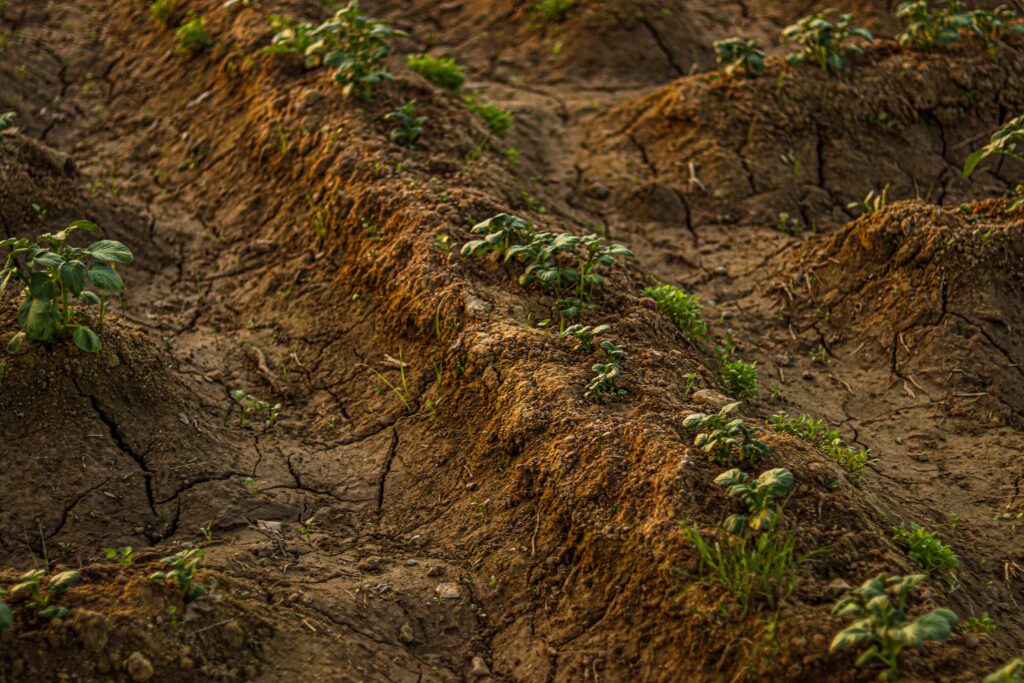
Modern agricultural practices have often treated soil as a medium for holding plants rather than as a living ecosystem. Intensive tillage, monocropping and heavy applications of fertilizers, herbicides and fungicides disturb the biological systems that make soil productive.
The source material describes the visible consequence of tillage: soil being carried away as dust. It notes that the loss of even a thin layer of soil can represent enormous quantities of topsoil disappearing from an acre. Across many farms, degraded soil has lost much of its organic matter and its ability to absorb and retain water.
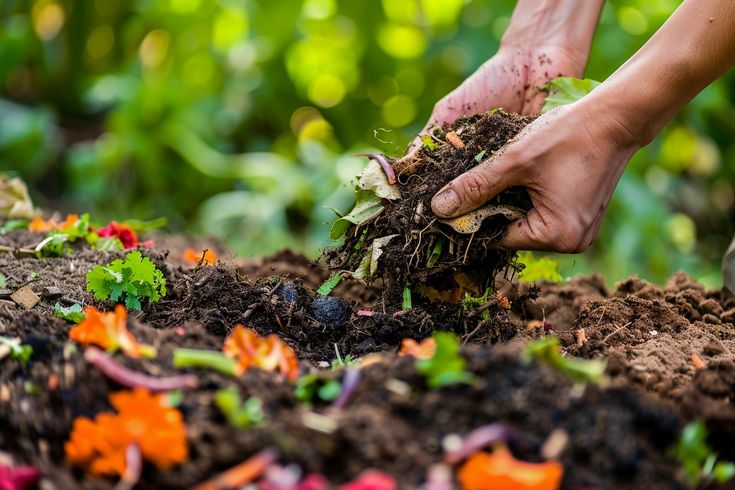
Regenerative agriculture begins by changing this relationship. Instead of continually extracting from the soil, farmers seek to rebuild it by protecting its structure and encouraging biological activity.
Nutrient Degradation in Food
The health of soil is closely connected to the nutritional quality of food. The fact remains that much of what we call food today contains only a fraction of the nutrients it once did. When soil biology, organic matter, and mineral cycles are weakened, agriculture becomes increasingly dependent on external inputs rather than the natural processes that support healthy plants. And there lies the problem with modern conventional farming.
Research cited in the source found that food produced in healthy soils can contain significantly higher levels of vitamins and essential fatty acids, while showing lower markers of oxidative stress. This suggests that restoring soil health is not simply an environmental project. It can also be a strategy for improving the quality of what ultimately reaches our plates.
Climate Change Due to Carbon Release from Broken Soil
Healthy soil is also an important part of the carbon cycle. Between 30 and 75 percent of the carbon once held in soils has moved into the atmosphere. Soil degradation therefore has consequences far beyond the farm.
Tillage, bare soil and the destruction of soil biology interrupt the natural processes through which plants capture carbon from the atmosphere and transfer carbon compounds into the soil. Healthy plants, roots, fungi and microorganisms work together to build soil aggregates and support the carbon, mineral and water cycles.
Regenerative agriculture seeks to reverse this process by keeping living roots in the ground, minimizing disturbance and rebuilding soil organic matter.
Effects of Toxic Agrochemicals
The intensive use of herbicides, pesticides, fungicides, and synthetic fertilizers can disrupt the biological relationships within agricultural ecosystems. This is largely found in the conventional farming mindset in which the objective was often to eliminate weeds, pests, and fungi rather than to create conditions in which healthy ecosystems could naturally regulate themselves.
Regenerative agriculture does not begin with the question, “What can we kill?” It begins with a different question: “How can we create more life?” By encouraging beneficial insects, birds, microorganisms, and diverse plant communities, farmers can reduce their dependence on chemical interventions while restoring ecological balance.
The Principles of Regenerative Agriculture and the Benefits
Regenerative agriculture is described in the source as farming and ranching in synchrony with nature to repair, rebuild, revitalize, and restore ecosystem function, beginning with life in the soil and extending to life above it.
Six ecological principles provide a practical foundation:
- Context: Farm according to the conditions and environment of the particular landscape. This is truly what sustainability means: farming based on what is available in the local environment rather than on market demands that often don’t consider other factors.
- Minimal disturbance: Reduce mechanical and chemical disturbance as much as possible. There are lots of organic farming inputs that work with farmlands rather than against them,
- Soil armor: Keep soil covered rather than exposing it to erosion, evaporation, and extreme temperatures. Mulching is a great way to do this.
- Diversity: Replace monocultures with greater diversity of plants, animals, and other species.
- Living roots: Keep living plants and roots in the soil for as much of the year as possible.
- Animal and insect integration: Recognize animals and insects as essential components of functioning ecosystems.
Together, these principles can improve water infiltration, increase soil organic matter, support biodiversity, reduce dependence on agricultural chemicals and help capture carbon in the soil.

Farmer spraying pesticides. Stock photo
Ecosystem Restoration
There is a massive transformation that happens when agriculture begins working with ecological processes rather than against them. A farm that once had very limited water infiltration eventually developed the capacity to absorb dramatically greater amounts of rainfall. Soil organic matter also increased substantially.
The return of earthworms, pollinators, insects and birds became visible evidence of an ecosystem recovering. Wildlife populations increased, while deeper and richer topsoil developed through the interaction of plants, microorganisms and grazing animals.
Animals are particularly important in this model. Across many of the world’s richest grasslands, large grazing herds historically played a role in building deep soils. Properly integrated livestock can therefore become part of the process of regeneration rather than simply being viewed as an agricultural problem.
Restoring the Culture of Life in Agriculture
Perhaps the greatest difference between conventional, organic, and regenerative agriculture is the underlying philosophy. Organic farming primarily asks how agriculture can produce food without certain synthetic chemicals. Regenerative agriculture asks a larger question: How can agriculture restore the web of life on which food production depends? How can land and the surrounding ecosystem reintegrate back to balance and cohesion?
That means changing the farmer’s role from exploiter of the land to steward of an ecosystem. It means recognizing that soil is alive, that insects and animals have roles to play, that diversity is strength, and that agriculture can become a force for restoration.
Regeneration is therefore not only about growing crops differently; it is also about rebuilding the culture surrounding food itself. Consumers can support this transition by learning where their food comes from, choosing regeneratively grown and raised food, supporting education, and encouraging regenerative practices in gardens, farms, and communities.
Agriculture without the culture of life is just death and devastation in the making.
The promise is significant: healthier soil, more nutrient-dense food, greater biodiversity, improved water cycles, reduced chemical dependence, stronger rural communities and greater carbon storage.
Going beyond organic farming means moving from simply reducing harm to actively creating life. And that begins with how we see and also treat the soil that is beneath our feet and the ecosystem around us.
Everything in our universe is connected, and the honor we have for one thing, we must have for all things.