

“The generation that destroys the environment is not the generation that pays the price. That is the problem.” ― Wangari Maathai
Nothing saves our planet and restores it than forests.
And as Nobel Laureate, Professor Wangari Maathai puts it, forests are the lungs of the earth, and forest conservation is a noble act that communities must embrace in its totality. Especially if we want to save our planet from the effects of decades of abuse.
Imagine filling your lungs with smoke, toxic fumes, and every poison flying in the air. It’s devastating. But this is what we do when we take for granted the value and the importance of our forests, especially the indigenous forests within our communities.
Wangari Maathai, a remarkable Kenyan woman and environmentalist, reflected on the profound loss of her childhood environment, recalling a stream near her home that had dried up, with women now walking long distances for water and children losing the chance to experience its beauty and wonder. She described the world she inherited from her parents as one where she could drink from the stream and play among arrowroot leaves, trying to pick up frog eggs she thought were beads, only to see thousands of tadpoles wriggling in the clear water. This personal memory underscores her deep connection to nature and the urgency of her work.
Karura forest
When I have the opportunity, I love forest walks and also forest photography. And even though forest photography can be a little bit complex because of the various interwoven symmetries that tree branches and root systems create, forests remain one of the most profound places to capture beautiful, magical moments and memories. I have been to Karura forest several times, and it’s beautiful. You should visit it sometime.
Karura Forest, located within Nairobi, has been referred to as the “lungs of Nairobi” by Wangari Maathai and others who fought to protect it from development, such as the proposed construction of a skyscraper. This metaphor highlights the forest’s vital role in providing clean air and sustaining the city’s ecosystem.
The 1,041 hectares of forest land contain indigenous trees, plants, and shrubs as well as various plantations of commercial trees; the cypress and the water-guzzling eucalyptus among them. This urban forest also plays host to a variety of small mammals such as otters and civets, bush pigs and bushbuck, some reptiles such as pythons and monitor lizards, birds like the crowned eagle, butterflies, and an assortment of other insects. If you’re keen, you can observe the agile Syke’s monkeys swinging through the tall, thick canopies.
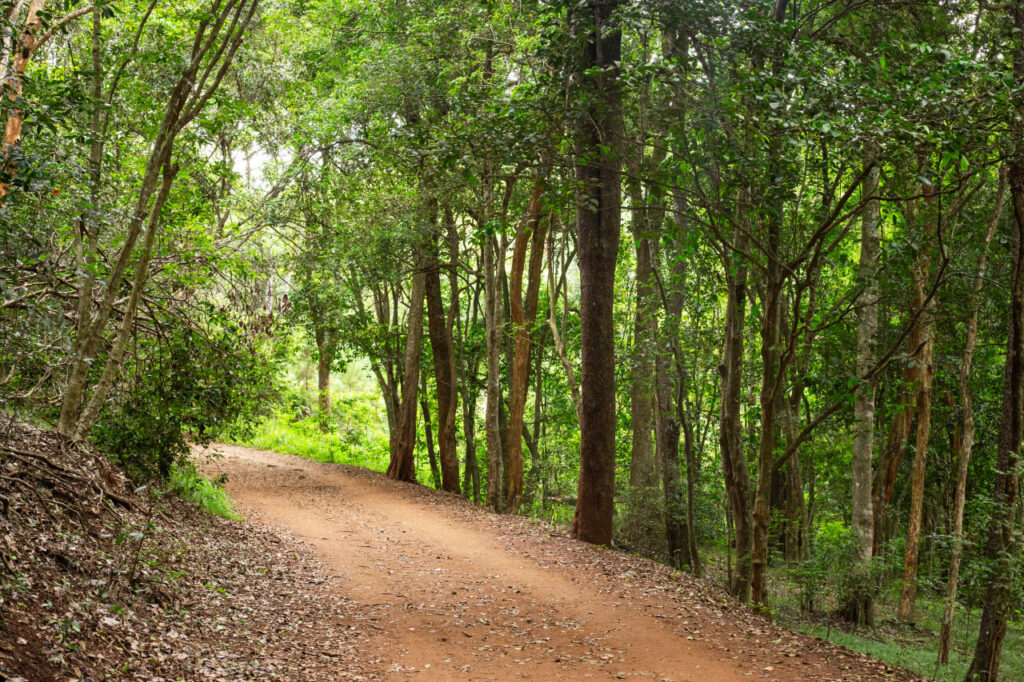
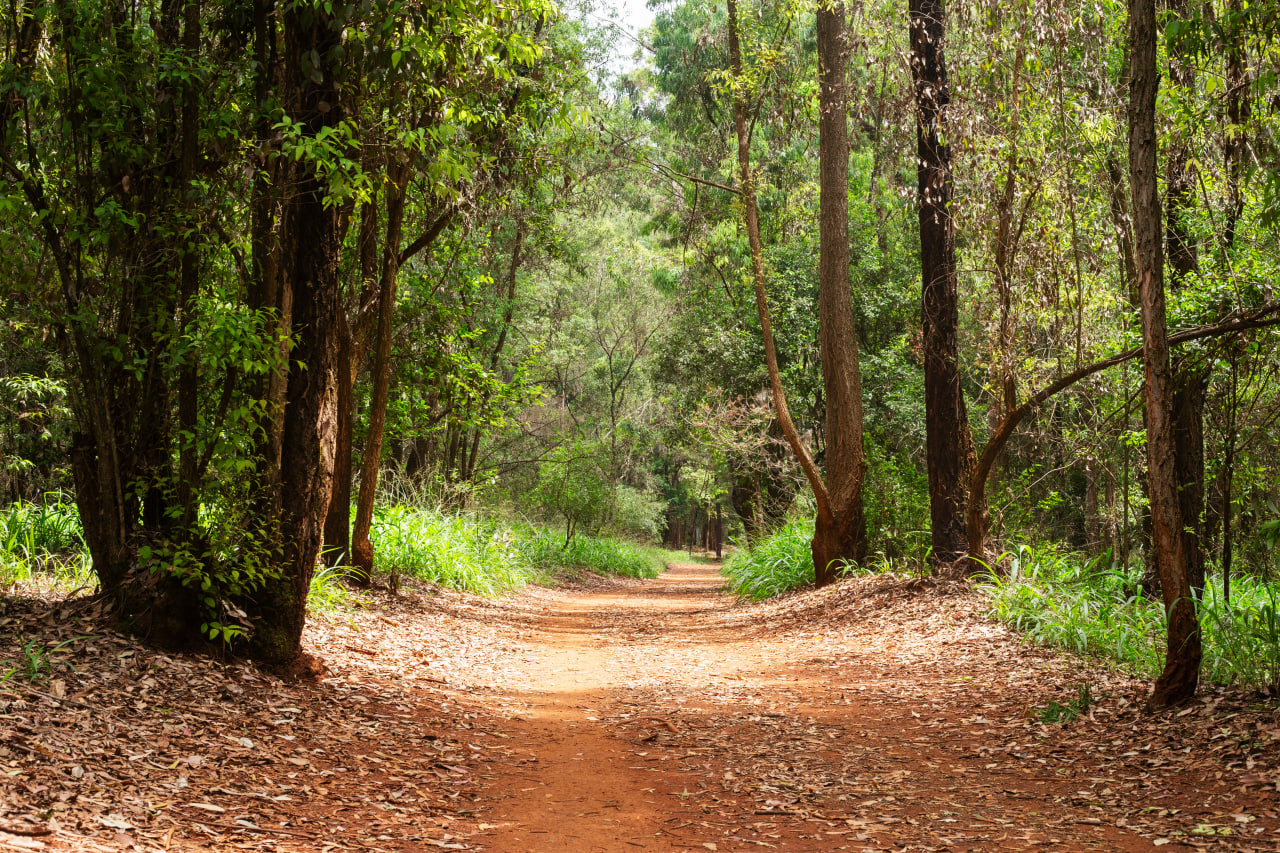
A walk path in Karura forest.
Karura Forest has footpaths and cycling tracks and picnic grounds, and a restaurant. It’s a great place to go to spend a day exploring and just getting away from the rush, if you’re looking for an urban escape. If you need a really good workout, you will find a wide variety of terrain, suitable for your cross-country trek, ride or run. The most enduring facet of Karura Forest in Nairobi, is not its leafy green canopies and wide-open spaces for picnicking, nor is it the waterfall or the caves or the bats, nor is it the massive old trees, quite humbling in their stature… but it’s that Karura Forest stands as a living monument to overcoming oppression, bullies and greed in Afrika. It is impossible to visit Karura Forest without meditating on the price that one woman paid to ensure its survival.
Kaya Kindono sacred forest, Kwale county
One of the beauties of indigenous forests it’s the strong cultural connection they have with the people of the community where they are situated. One of such indigenous forest with a strong connection with the community, is the kaya kinondo forest in Kwale county, Kenya.
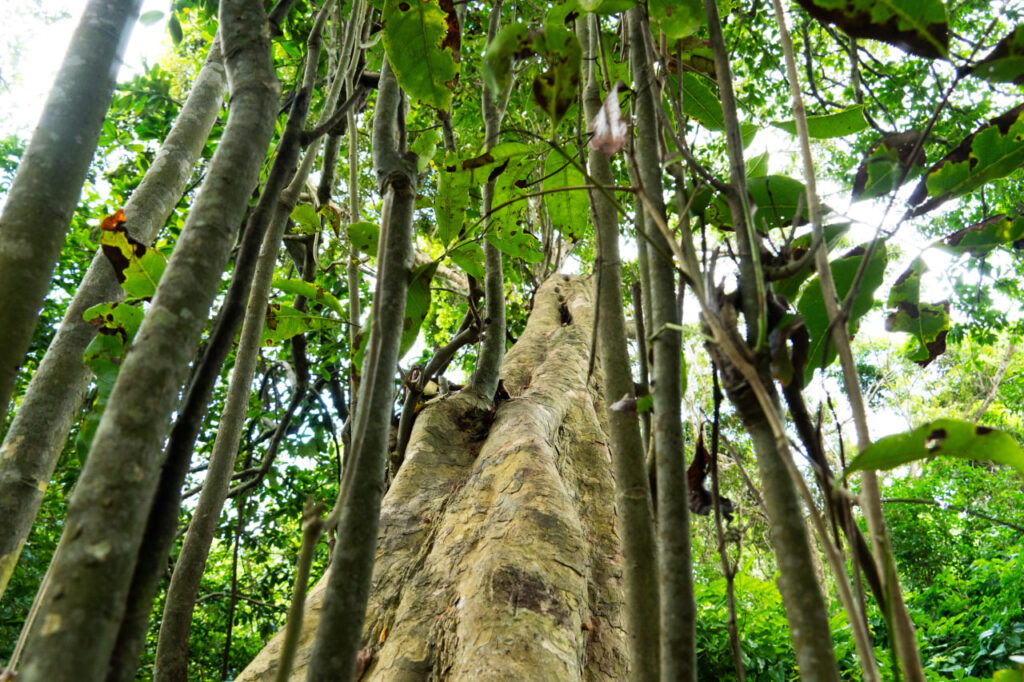
Kaya Kinondo Sacred Forest, Kinondo Kwale County Kenya
I have been to Kaya kinondo sacred forest before, in fact, my family and I lived right in the forest at some point in our journeys. Its one of those places you just want to walk into and sit and just listen to the sound of the forest. The buzzing sound of insects, the wailing of the hornbills, the sound of monkeys and baboons making climbing trees look effortless and even the silent flapping of beautiful butterflies. It’s always beautiful.
Very recently I visited Kinondo village for a quick errand and then decided to go walk the forest for some photos. I met Abdul, one of the local tour guards for kinondo forest and Diani tourism sites. He took me through the forest again; towards the direction I had not visited before. At some point I told him, since we both are here, and am with a camera, maybe we should just capture him saying something about the forest and what he does. We quickly did a video. Watch this.
There is no end to how much we can do as Africans if we take the matters of our environment seriously. The biodiversity that we are blessed with and the immense life forms that crawl in that biodiversity are things we should be grateful for. But not just as places for tourist visits, but as places that serves as the lungs of our communities, our nations and our planet earth.
“He Who Plants Trees, Extends Life On Earth.” -Samuel Phillips
Plant a tree today.
Watch the video of Dr Wangari Maathai