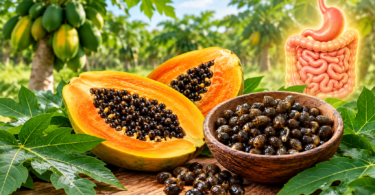

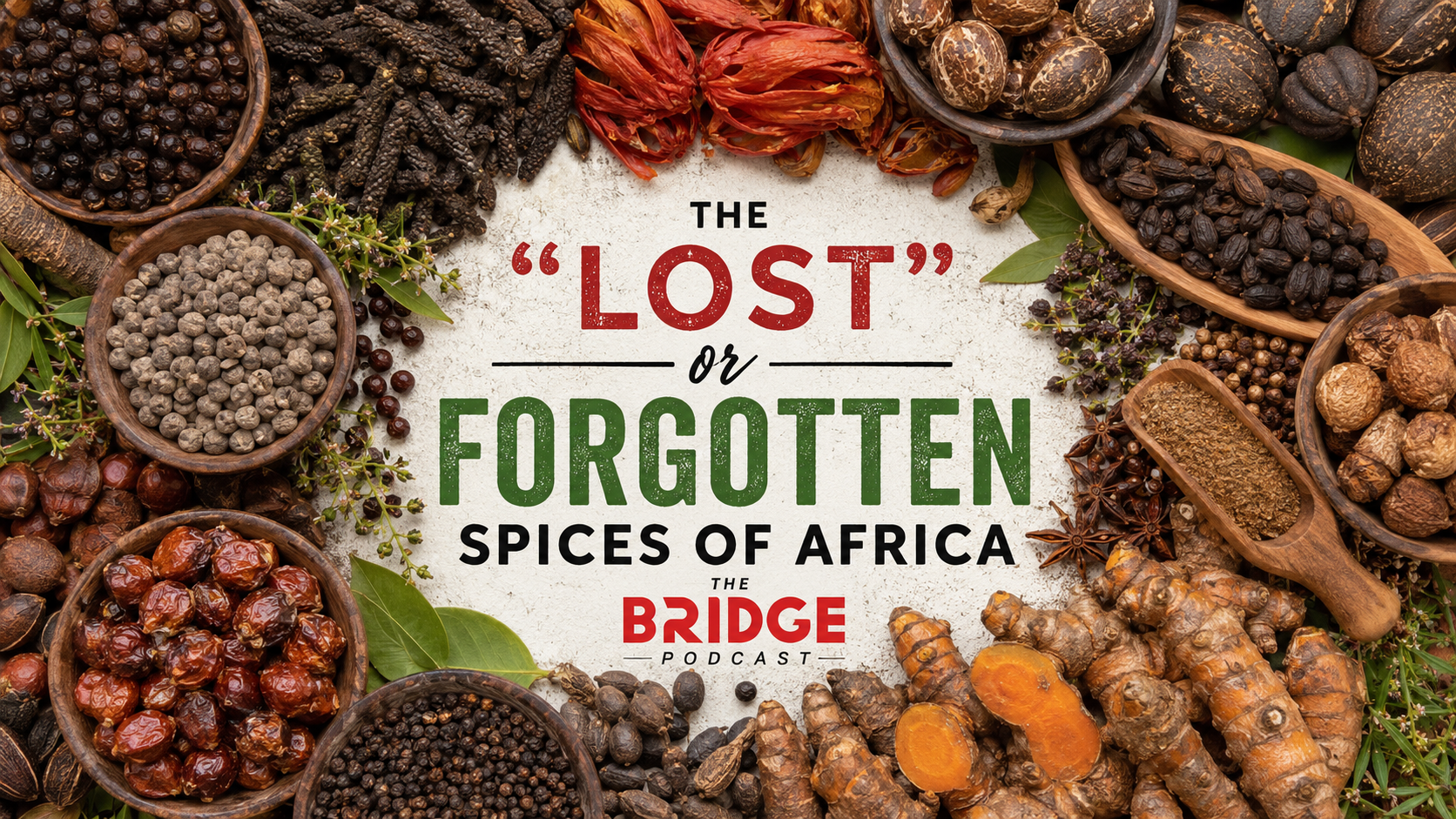

The lost spices of Africa are indigenous plants like Grains of Paradise, Grains of Selim, and Aidian fruit. These spices are not lost because they no longer grow on the continent. They are lost because we forgot about them. Once highly priced for their robust medicinal flavors, these native ingredients were gradually overshadowed by globalized crops. Today, many have been revived by chefs and championed by food organizations for their health benefits. These plants, many of which belong to the ginger and cardamom families, offer a unique peppery and sometimes chocolaty profile.
Here are a few of the most renowned underutilized spices of Africa.
1. Grains of Paradise or Alligator Pepper: Grains of Paradise is a herbaceous perennial plant in the ginger family native to West Africa. Priced for a small aromatic reddish-brown seed, the spice delivers a pungent black pepper-like taste followed by complex notes of citrus, cardamom, and clove. A highly sought-after commodity in medieval Europe. Once fetching prices close to black pepper, it remains a staple ingredient in West African stews, soups, and grilled meats.
Key characteristics
Flavor profile
It starts with a slow, building heat and finishes with a resinous herbal bite. Because it belongs to the ginger family, it is botanically unrelated to true black pepper.
The plant
It grows via underground rhizomes, featuring tall reed-like stems and trumpet-shaped flowers. It produces 5 to 7 cm long pods containing 40 to 60 seeds.
Harvesting
Pods transition from green to bright red when ripe. They are vested and sundried until the pods harden, at which point the seeds are extracted.
Culinary uses
Spice is often used as a premium substitute for black pepper.
Either freshly ground or use whole in rubs, marinades, and braces.
Beverages.
It is used as a flavoring agent in specialized craft beers (especially saisons), gins, and aquavits.
Traditional cooking
Essential in West African dishes like peanut soups and traditional pepper soups.
Traditional medicine and health
In West African ethnomedicine, the seeds have a long history of being chewed to warm the body, treat stomach aches, and soothe snake bites.
The seeds are rich in phytochemicals like 6-paradol, 6-gingerol, and 6-shogaol. Modern research explores its anti-inflammatory properties and its potential to target body fat and lower blood glucose.
2. Grains of Selim: Grains of Selim are the dried aromatic pods of the West African evergreen tree. Known locally by names like Uda or a Wentia.
This highly priced spice offers a complex, smoky, and slightly menthol-like flavor. It is widely used to flavor traditional soups, stews, and beverages.
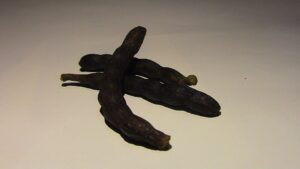
Key characteristics
Flavor profile
Features a complex blend of black pepper, menthol, and subtle savory notes. The pod packs the most punch, while the seeds have a mild woody flavor with hints of nutmeg.
Other names: African pepper, Senegal pepper, Ethiopian pepper, Uda in Nigeria, Hwentia in Ghana, and Diarr in Senegal.
Culinary uses soups and stews, used whole or crushed in West African cooking to impart a deep, earthy flavor to pepper soups and stews.
Beverages
Essential for making cafe touba, a spiced coffee drink heavily consumed in Senegal.
Traditional health benefits
Grains of Selim are used in traditional medicine to treat various ailments, including respiratory conditions such as asthma and bronchitis, as well as stomach aches and rheumatism. The spice is also known to have anti-inflammatory properties.
3. African Nutmeg or Calabash Nutmeg: African nutmeg is a tropical tree native to West and Central Africa, belonging to the custard apple family.
Its highly aromatic seeds are priced as a traditional culinary spice and herbal medicine offering a warm nutty flavor similar to common nutmeg. Here is a breakdown of his key traits and uses.
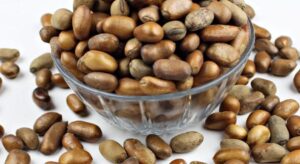
Culinary uses
Flavor profile. The seeds have a strong, fragrant aroma and a slightly pungent, warm, and spicy taste, making them an excellent substitute for traditional nutmeg.
Regional dishes
It is a staple in African cuisines. In West Africa, it is widely used in pepper soups, stews, and traditional sauces. In Nigeria, it is known in Igbo as ehuru and in Yoruba as Ariwo.
Preparation
The seeds are generally extracted from a large, woody, spherical fruit, then typically dried and roasted before being ground into powder for cooking.
Traditional medicine
Digestive aid: Ground or infused, the seeds are frequently used to relieve constipation, indigestion, and other gastrointestinal issues. Pain relief. The seeds are sometimes chewed and applied topically to the forehead to treat headaches and migraines.
Antimicrobial
Traditional healers use bark and leaf extracts to address toothaches, sore gums, and various skin conditions.
Plant characteristics
Appearance
The tree grows up to 35 m tall and produces striking, showy flowers that resemble orchids (with spotted red and yellow petals).
The fruit
The tree yields large, smooth green berries that hang on long stalks, which turn woody at maturity and house numerous seeds inside a sweet-smelling pulp. Other names. It is also referred to as calabash nutmeg, Jamaican nutmeg, or ariwo.
4. Aiden fruit: Aiden fruit is a flowering plant in the pea family native to West and Central Africa. Widely known as prekese in Ghana and uhio in Nigeria, the fruit is prized as an aromatic culinary spice and a traditional medicinal remedy.
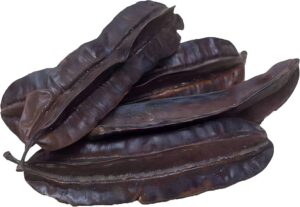
Key characteristics
Appearance
Dark purplish brown curved pods measuring between 12 and 25 cm long, featuring four distinct wing-like ridges. Two of these ridges are woody, while the other two contain a highly aromatic sugary pulp.
Flavor profile
Sweet, pungent, and musky. It acts as a soup perfume commonly added to stews, pepper soups, and teas.
Traditional and medicinal uses
The fruit is deeply valued for its rich concentration of vitamins, minerals, calcium, iron, potassium, and antioxidants.
Wellness and immunity
Often boiled in water to make a healing herbal tea. Used to boost immunity, relieve stomach upset, and aid digestion.
Postpartum recovery
Aidan fruit teas and soups are believed to assist postpartum women by promoting lactation and replenishing lost nutrients.
Anti-inflammatory
Traditional remedies use the fruit to manage joint pain, fevers, and gastrointestinal issues. Other uses a strong biting scent, which is sometimes used as a natural insect repellent.
5. Red turmeric or atali pupa: Red turmeric, scientifically known as Cucuma Lunga, is an herbaceous perennial plant in the ginger family. It is widely praised for its earthly aroma, vibrant culinary color, and high concentration of health-promoting antioxidants, such as curcumin.
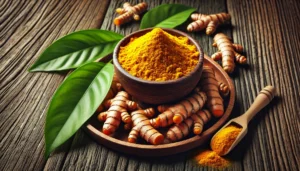
Cultural names
Red turmeric goes by several localized names across different regions and languages. In Yoruba its called Atali pupa, or ajo-osun; in Hausa its called gangamao. In Igbo, it’s called turmeric ntutu, or ohu bobosh, depending on the region. In English is called red turmeric or Indian saffron.
Key uses medicinal
It has potent anti-inflammatory, antiviral, and antioxidant properties. It is often used as a traditional tonic to relieve stomach pain, aid digestion, and boost the immune system.
Culinary
Often ground into fine powder. It is a primary ingredient in curry powders, stews, and rice dishes like jolof.
Cosmetics
In parts of West Africa and South Asia, it is utilized as an organic skin lightening agent and natural dye for clothing, leather, and palm fiber.
Harvesting and preparation
While common yellow turmeric is mass-produced, authentic red turmeric is often a rarer, more localized variety, traditionally cultivated in southwestern Nigeria.
The rhizomes are typically harvested, washed, peeled, steamed, and sundried before being ground into powder for long-term storage and use.
So, these are my five favorite spices from Africa, especially from West Africa. If you have more spices in your kitchen or that you know in your area, you want to share with us, please share them in the comments section below. Tell us about the spices in your environment in any part of Africa that you are in. Even in the Caribbean, we will welcome your comments.
You can watch the video below: