

Rediscovering Africa’s Indigenous Food Wisdom for Healthier Generations
In an era where infertility rates are rising, chronic diseases are becoming commonplace, and people are searching endlessly for the latest health trends, one profound question deserves our attention: What if the answers have been with us all along?
Across Africa, generations of people lived long, active, and productive lives without gyms, supplements, diet apps, or shelves full of pharmaceuticals. They worked the land, ate food grown in their environment, followed seasonal eating patterns, and relied on a deep understanding of nature that was passed from one generation to the next.
Today, however, many Africans find themselves facing health challenges that were once uncommon. Fertility concerns, diabetes, obesity, hypertension, chronic inflammation, and lifestyle-related illnesses are becoming increasingly widespread. As modern societies search for solutions, a growing movement known as Afro-longevity is encouraging Africans to revisit indigenous food systems and traditional health knowledge as part of the answer.
At the heart of this movement lies a simple but powerful principle: food is not merely fuel. Food is information, medicine, culture, and a foundation for healthy aging.
Understanding Afro-Longevity
Afro-longevity is an emerging field of study and a growing movement focused on improving health, quality of life, and longevity among people of African descent by drawing from African realities, environments, and indigenous knowledge systems.
Rather than viewing longevity solely as the ability to live longer, Afro-longevity emphasizes living healthier. It asks an important question: What enabled previous generations of Africans to maintain vitality well into old age?
For many people across the continent, stories of grandparents living into their eighties, nineties, and even beyond one hundred years are common. Yet the significance of these stories is often overlooked. The real lesson is not simply that they lived long; it is how they lived.
Many of these elders consumed foods grown in their local environments. They walked long distances, worked physically, maintained strong community relationships, and rarely depended on highly processed foods. Their lifestyles were deeply interconnected with nature.
Modern Africans, by contrast, increasingly consume imported food products, processed meals, refined sugars, and industrialized diets that differ significantly from the foods their ancestors evolved to eat.
The question, therefore, is not whether our ancestors lived longer. The question is whether we are still practicing the habits that contributed to their health and vitality.
Food as Medicine, Not Just Consumption
One of the most important insights from indigenous African food systems is that food was never viewed simply as something to fill the stomach.
Traditionally, food served multiple purposes simultaneously. It provided nourishment, strengthened immunity, supported physical labor, and helped maintain balance within the body.
Many African communities understood that certain foods were beneficial during specific seasons. Fruits, vegetables, roots, herbs, and spices were consumed according to environmental conditions and natural cycles.
This seasonal relationship with food reflected an understanding that human beings are part of nature rather than separate from it.
Today, however, eating habits are often shaped by convenience, advertising, and global food trends. Food is available year-round regardless of season, and highly processed products dominate supermarkets and urban diets.
As a result, many people consume foods disconnected from their biological and environmental realities.
The consequences can be significant. Poor nutrition contributes to chronic inflammation, metabolic disorders, weakened immunity, and accelerated aging. Over time, these conditions create a foundation for numerous health challenges.
The Fertility Crisis and the Modern Diet
One of the most concerning health issues globally is the decline in fertility.
Research from around the world has shown reductions in fertility rates and significant declines in sperm counts over recent decades. While many factors contribute to this trend, diet plays a crucial role.
Modern diets are often dominated by refined carbohydrates, added sugars, highly processed foods, artificial ingredients, and industrial food products. These foods contribute to metabolic dysfunction, hormonal imbalances, and chronic inflammation.
Excessive sugar consumption is particularly concerning.
Sugar is hidden in countless products, from beverages and breakfast foods to packaged snacks and processed meals. Many people consume far more than they realize. Over time, excessive sugar intake can disrupt insulin regulation, increase inflammation, contribute to obesity, and negatively affect reproductive health.
Fertility does not exist in isolation. It is closely connected to overall metabolic health.
When the body is overwhelmed by poor nutrition, hormonal systems become stressed. Both men and women can experience reduced reproductive function as a consequence.
Indigenous African diets, by contrast, traditionally emphasized whole foods, fresh produce, minimally processed grains, legumes, roots, and naturally occurring nutrients. These foods supported metabolic balance and provided the nutritional foundation necessary for reproductive health.
Why Indigenous Foods Matter
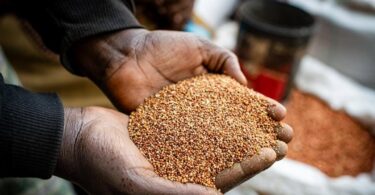
Africa possesses one of the richest food heritages in the world. From sorghum and millet to yams, indigenous vegetables, legumes, medicinal plants, and traditional fruits, the continent is home to extraordinary biodiversity.
Yet many of these foods are increasingly neglected in favor of imported products and industrial food systems.
The irony is that many indigenous foods are naturally nutrient-dense and exceptionally well-suited to local environments.
Traditional foods evolved alongside African populations over thousands of years. Communities adapted their agricultural systems and eating habits to regional climates, ecological conditions, and cultural practices.
As a result, indigenous foods often align more closely with local nutritional needs than imported alternatives.
Furthermore, traditional food systems supported local farmers, strengthened food sovereignty, and preserved ecological resilience.
When people choose indigenous foods, they are not merely making a dietary choice. They are supporting cultural continuity, agricultural diversity, and community health.
Organic Food and the Importance of Natural Farming
The growing interest in organic food reflects a broader desire to reconnect with natural methods of food production.
Many traditional African farming systems were inherently organic long before the term became fashionable.
Farmers relied on local knowledge, natural soil fertility, crop diversity, composting, and ecological balance rather than heavy dependence on synthetic chemicals.
This approach not only protected the environment but also preserved the nutritional integrity of food.
Today, concerns about industrial agriculture, chemical residues, and heavily genetically modified food systems have led many people to reconsider where their food comes from.
Therefore, supporting local farmers and choosing naturally grown foods can help strengthen healthier food ecosystems while promoting community resilience.
Importantly, local farmers remain among the world’s most significant food producers. Investing in their knowledge, resources, and agricultural practices may be one of the most effective ways to improve food security and public health simultaneously.
The Healing Power of African Herbs and Spices
African food traditions have long recognized that many culinary ingredients possess medicinal properties.
In traditional African kitchens, the line between food and medicine was often blurred.
Spices and herbs were used not only for flavor but also for maintaining health and preventing illness. Turmeric, for example, has gained international recognition for its anti-inflammatory properties. When combined with black pepper, its absorption and effectiveness can be significantly enhanced. Moringa, often referred to as a nutritional powerhouse, contains numerous vitamins, minerals, and beneficial plant compounds. It has become increasingly valued for its potential role in supporting overall wellness. Other traditional plants, teas, roots, and botanical preparations have historically been used to support digestion, immunity, circulation, and recovery.
What is particularly important is the traditional understanding that effectiveness depends not only on individual plants but also on preparation methods, combinations, timing, and context.
This knowledge was accumulated over generations through observation, experience, and community practice.
Aging Begins Earlier Than We Think
Many people assume that aging becomes important only in middle age. However, the foundations of healthy aging are established much earlier.
The foods consumed during childhood, adolescence, and early adulthood influence long-term health outcomes. Habits developed during these stages can either support vitality or accelerate biological decline.
Children who are exposed to excessive amounts of sugar and highly processed foods may develop unhealthy relationships with food that persist throughout life. Meanwhile, nutrient-rich diets built around whole foods help support growth, cognitive development, metabolic health, and resilience. Therefore, healthy aging is not something that begins at fifty or sixty years old. It begins with everyday choices made from childhood onward.
Every meal is an investment in future health.
The Missing Connection Between Tradition and Science
The conversation around indigenous foods should not be framed as a rejection of modern science. Instead, it presents an opportunity for collaboration.
Modern scientific tools can help validate traditional knowledge, identify active compounds in medicinal plants, improve food research, and develop evidence-based approaches to health promotion.
At the same time, indigenous knowledge systems offer valuable insights that modern research is only beginning to appreciate. Traditional communities often developed sophisticated understandings of plants, nutrition, environmental adaptation, and preventive health.
The future of health innovation may lie not in choosing between tradition and science but in combining the strengths of both. When indigenous wisdom and scientific research work together, new possibilities emerge for addressing some of the most pressing health challenges facing African societies.
Returning to the Garden
Perhaps one of the most powerful lessons from Africa’s food heritage is the importance of self-reliance.
For generations, families maintained gardens, cultivated crops, and remained closely connected to the sources of their food. Today, many households depend almost entirely on commercial food systems.
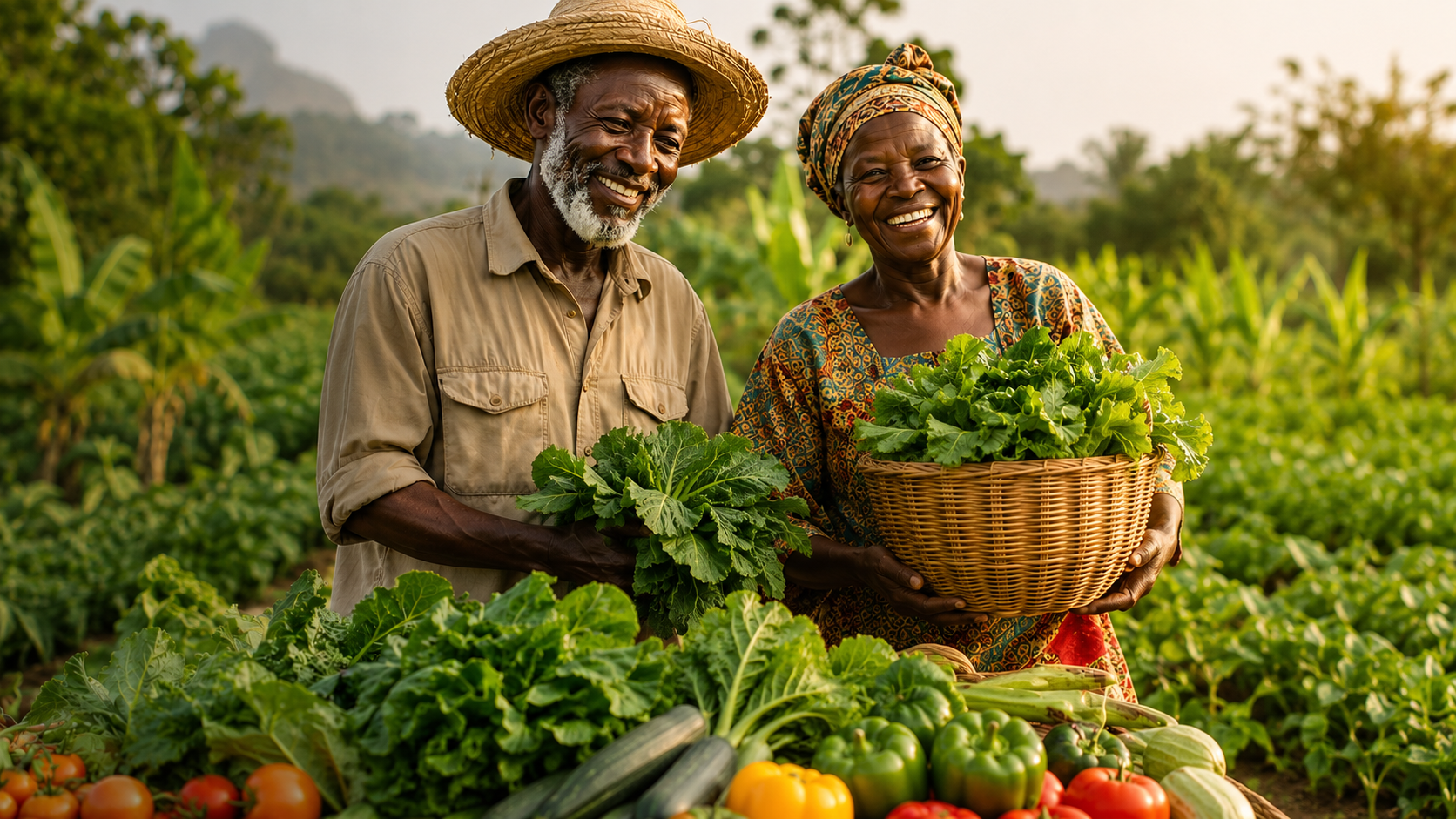
Yet even small efforts to grow herbs, vegetables, fruits, and medicinal plants can help rebuild this connection.
Gardens provide more than food. They foster knowledge, resilience, community engagement, and a deeper appreciation for nature.
In many ways, the garden represents a return to the principles that sustained African societies for centuries.
A Path Toward Healthier Futures
The relationship between food, fertility, and aging is far more profound than many people realize.
The choices made at the dinner table influence reproductive health, disease risk, longevity, and quality of life. They affect not only individuals but also future generations.
Africa possesses a remarkable wealth of indigenous food knowledge, agricultural diversity, and cultural wisdom. Rediscovering these resources may be one of the most important public health opportunities of our time.
Healthy aging is not found in a miracle pill. Fertility is not sustained by medical interventions alone. Lasting wellness begins with everyday habits, meaningful relationships, physical activity, and food that nourishes rather than harms.
As the saying goes, let food be your medicine.
For Africa, that medicine may already be growing in its fields, forests, gardens, and ancestral traditions.
Watch the video on food health, longevity and aging here: