We Moved to a sacred forest
There is something very beautiful about green spaces, forest living, ocean life, and ecoliving generally. You feel alive as you merge with the beauty and biodiversity around you. This is the excitement my family and I felt when we took our journey from Nairobi area to a forest-house in a sacred forest in South Coast of Kenya.
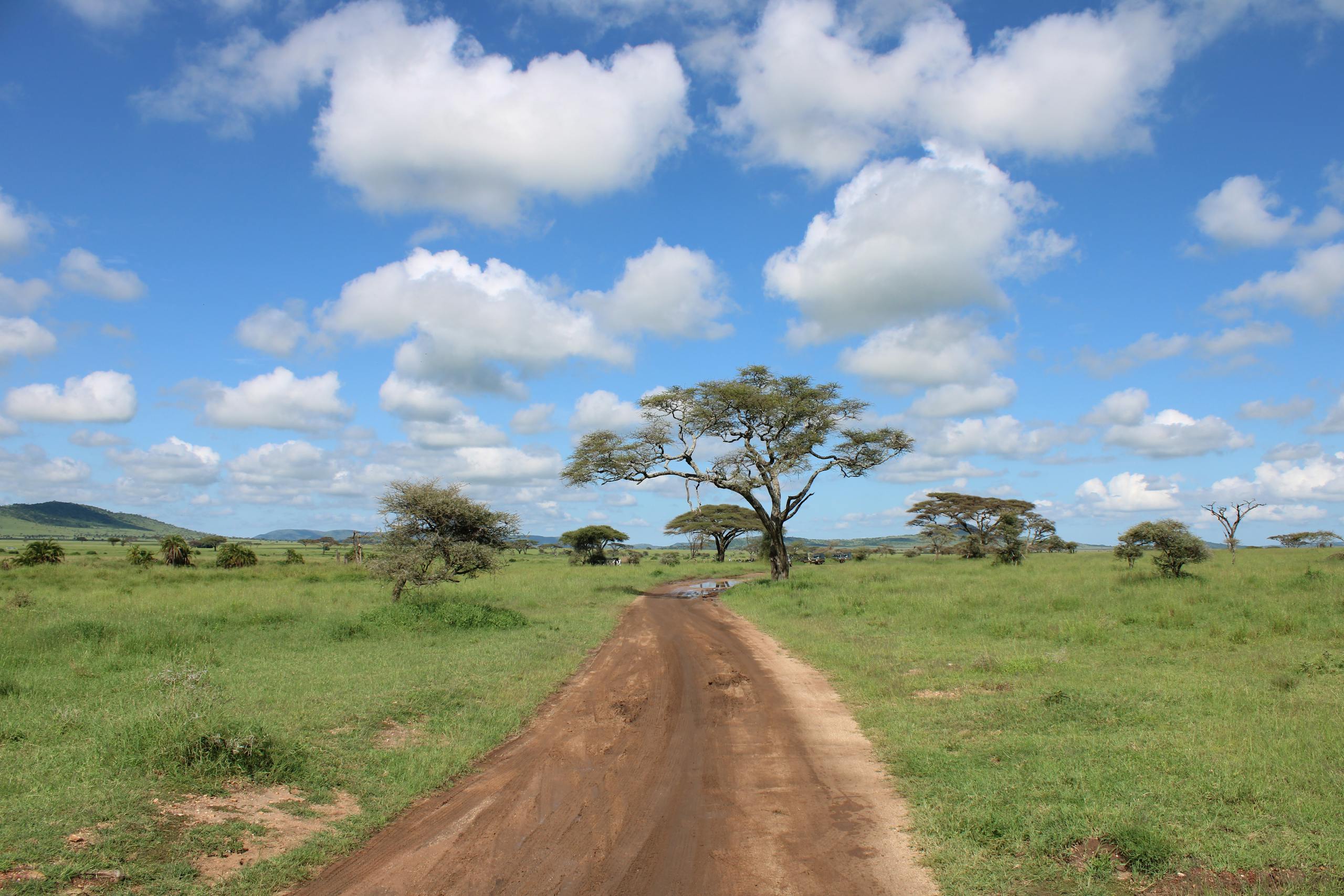
Prior to coming to the coast, we lived in an area called Tuala in Kajiado county, just outside of Nairobi. At close proximity with the Nairobi National Park, the presence of wild animals was constant. And when I go for my morning walks or photo hunt in the savanna, I come across animals like Hyenas, Warthogs, Zebras, Giraffes, Antelopes and occasionally the sound of Lions in the distance. I loved the interaction with the wildlife in Tuala, but coming to live in the forest house in Kaya Kinondo Sacred Forest, is a different vibe altogether.
Kaya Kinondo Sacred Forest is a thirty acres of indigenous trees, and its sacred to the Digo tribe of the Mijikenda community in the coast of Kenya.
In sharp contrast to the Savanna where we lived in Tuala, which is mostly dry and dusty but green when it rains, the Kinondo forest landscape is constantly green, lush, cool and quite comfortable. And because the forest itself is just like two minutes walk to the ocean, the wind from the ocean often makes the forest cool and breezy. The forest features about two thousand indigenous trees, lots of Baboons, red squirrels, colobus monkeys, the blue monkeys, the hornbill bird and lots of other creatures like insects and rodents. So it has become normal to go to bed with the sound of insects humming all day from the forest and then wake up in the morning to the sound of monkeys playing on the trees nearby or even on the thatched roof of our forest house.
Its one big vibrant ecosystem of biodiversity and its lovely. I must not forget to mention that right in the house, which is two rooms, you get to interact with all manner of insects, spiders and sometimes centipedes. But as we kept cleaning the place daily, the crawlers have reduced to some extent.
Kinondo Village
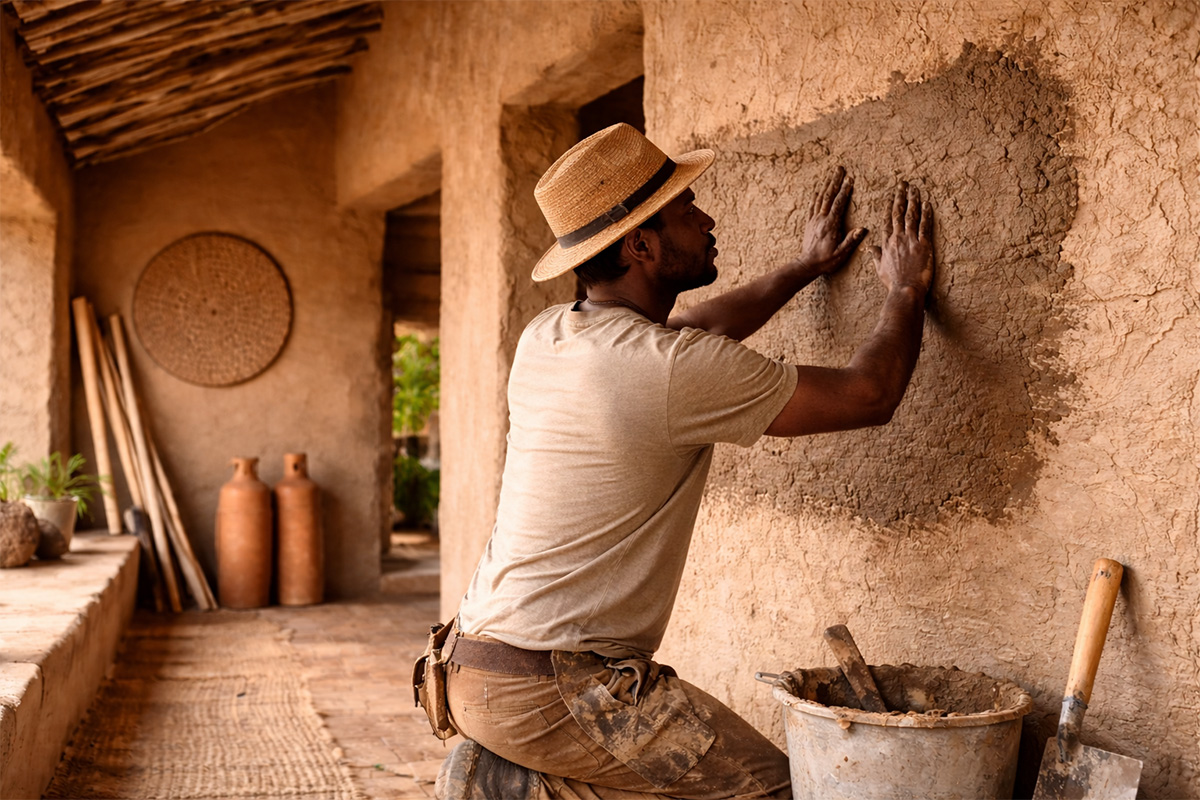
When we first moved to our friend’s house in Kinondo village, awaiting when the foresthouse in the sacred forest will be restored (it was damaged due to disuse because of Covid restrictions), I walked around the village several times and one thing that caught my attention is the clean air, healthy green spaces, massive amounts of fruit trees and peace with which people relate with themselves. People still know how to say hello in the morning. I also noticed that all the houses were built using limestone which is a natural building material which they dig from the gound right on the building site. Talk about eco-friendly buildings right in the heart of the so-called rural areas. So while those in the big cities are talking about sustainable development in over-priced conferences, those in the rural areas are actually the ones using sustainable materials for their homes. The forest house we currently live in is built using limestone and also covered with a thatched roof, which is a natural material.
Where is the police?
I also noticed there was no single presence of police patrols or even a single police station in the area. I asked our host and he said it was a deliberate request by the community leaders not to have police presence. Why? There was no need for it, because the community leaders know how to resolve issues among their people and its considered a taboo among the Digo tribe to involve external system (eg police) in the affairs of the Digo people. We’ve been here for more than a month and not a single crime has happened. Does that sound like the Africa we walked away from in search of modernity? I bet it does. We need to return back to the African way of wisdom and truth.
Watch the video we did HERE