Time Does Not Heal — What You Do With Time Heals
We often hear the phrase, “time heals all wounds.” Yet, when you look closely, this statement does not fully capture reality. Time alone is passive—it does not possess magical powers to erase pain or restore wholeness. What truly heals is what we choose to do within time. Healing requires intention, courage, and action.
Time Alone Is Not Enough
Left unattended, wounds—whether physical, emotional, or collective do not simply disappear because you took a time out. They may scab over, but deep inside, pain can remain raw, unaddressed, and capable of resurfacing at any moment. True healing comes from actively engaging with time and the various processes within that time that give the needed atmosphere for healing.
It involves: Honest conversations with ourselves, a willingness to confront our pain rather than bury it, tracing the roots of our hurt, and asking how much responsibility we are willing to take for our growth. Blame may feel easy, but pointing fingers rarely leads to transformation. Healing requires courage to look in the mirror and take ownership of our journey.
Having said that, what really is healing, and why do we need healing?
To be healed is to be separated from that which causes corruption. But what is corruption? Corruption is anything that stops you or hinders you from fulfilling your God-given mandate or purpose. It could be the system that governs your immediate environment, the nature of your relationships with people, your upbringing—especially where trauma occurred while growing up—or even your own mindset, which may have been shaped by various events along your life’s journey.
Too many people blame others for their brokenness, but won’t face the choices, decisions, or even indecisions that brought them to where they are. No one can be healed if they love what corrupts them or if they love the proceeds of that corruption. Touch love will first make you look at yourself in the mirror of self-reflection, before pointing fingers at others for the corruption in you.
We all need healing in various aspects of our lives, but why do we need healing? We need healing because, just as a physical wound that is not treated and healed can cause physical death, emotional or even spiritual wounds that are not treated or healed properly can also cause the death of the soul, even while such a person still walks and talks. And besides, of what use is carrying corruption in our souls if it stops us from fulfilling our earthly mandates? We might as well cut them off and be free.
The African Context: Healing Beyond Time
Africa, both as a continent and as a people, carries deep wounds—scars of colonization, exploitation, corruption, inequality, and self-doubt planted by centuries of oppression. But Africa cannot simply “wait for time to heal.” Healing will demand conscious actions like reclaiming indigenous knowledge systems and pride in African identity, addressing historical injustices and their lingering impact, building systems that work for the people rather than against them, and shifting from blame to responsibility, from dependency to creativity.
If time alone could restore Africa’s dignity, wealth, or hope, it would have happened within the last two centuries. It is only when Africans engage with time through deliberate efforts, visionary leadership, and community-centered healing that renewal becomes possible.
Time is not money; time is life
In our modern world, many chase money as if it were the ultimate measure of success. Some even believe the saying “time is money.” But this too is a distortion.
Time is not money—time is life.
Unlike money, time cannot be earned back once spent. You can lose money and make it again. But every moment you waste is a moment gone forever.
When we confuse time with money, we risk reducing life itself into an endless pursuit of things. Yet, the true value of time is in how we use it to heal, grow, love, make mistakes, learn from mistakes, and contribute meaningfully to the world.
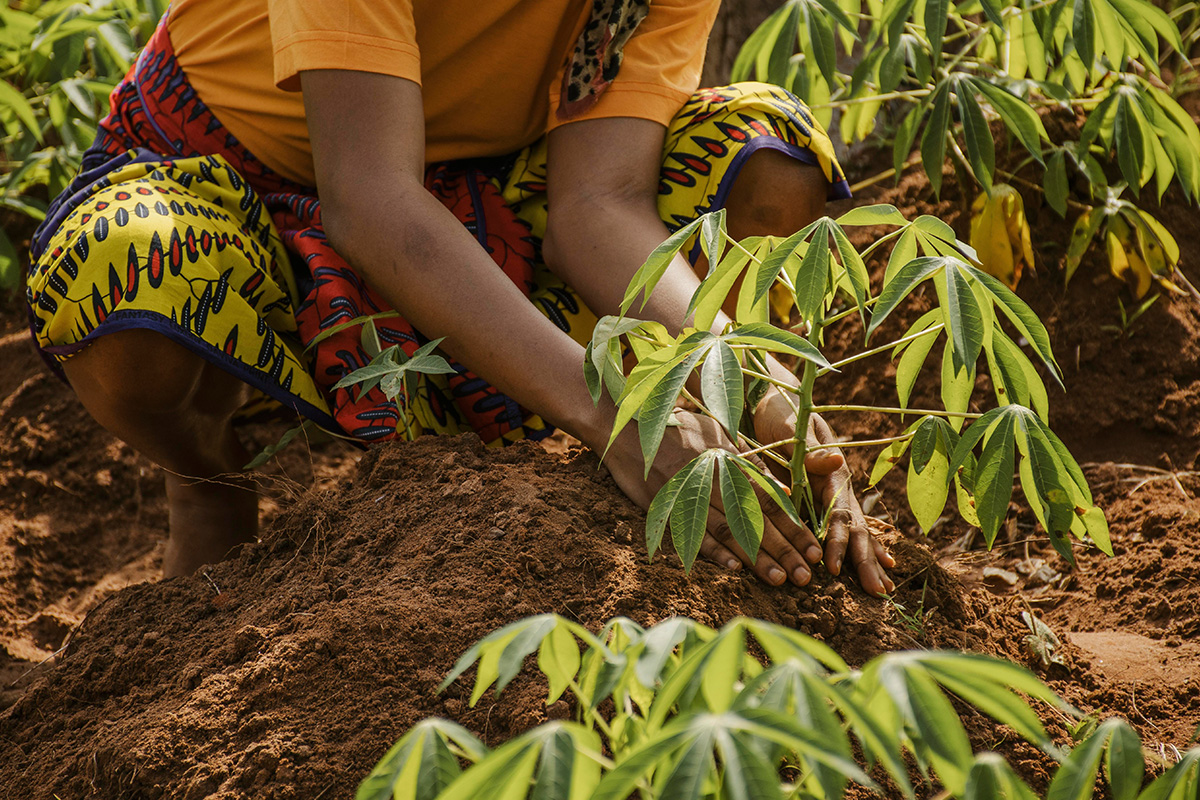
Since time cannot be bent or controlled, the best we can do is partner with time. This means recognizing that healing and transformation are processes, not instant results. Just as planting seeds requires nurturing before harvest, healing requires patience, commitment, and steady work over time.
To heal personally and collectively, we must:
- Use time to cultivate self-awareness.
- Take time to understand what corrupts you
- Invest in learning and unlearning.
- Nurture relationships and communities that build you
- Engage in processes that restore health and wholeness, and not just wait for time to heal.
Final Reflection
Time itself does not heal—what heals is the courage, actions, and choices we make towards healing as time passes. For individuals, this means facing the mirror of self-reflection, disengaging from that which causes corruption, and learning to forgive ourselves in love. For Africa, it means disengaging from what causes corruption, engaging in the hard but necessary work of reclaiming, rebuilding, and redefining our destiny.
If we use time wisely, not as money but as life itself, then healing—both personal and collective—becomes not just possible, but inevitable.
Do you want healing, start now!