Forest Photography

The challenges and the triumphs so far
Photography makes a lot of sense to me in all its diverse expressions. Be it street photography, landscape photography, food photography, or portraiture. Every form of photography makes happy sense to me.
I have tried my hands on almost all the diverse shades of photography, but forest photography as it were, has turned out to be one aspect of photography that beats me each time I try it. It sometimes gets me confused and frustrated. Maybe I need some pro tips from fellow photographers.
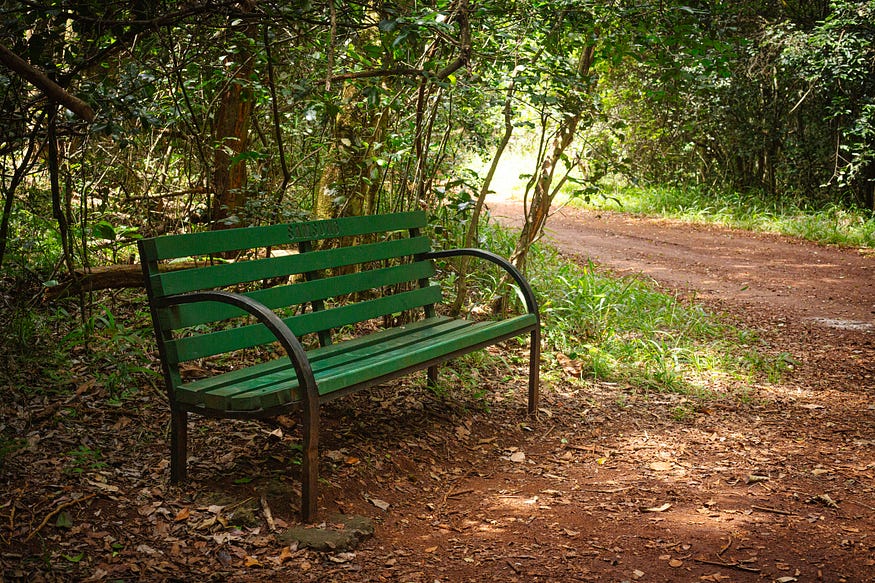
While there may not be much difference between forest photography and landscape photography, I sincerely get confused about narrowing down what I want to capture in a forest. Every tree seems to be asking to be seen, and every road or track in the forest seems to be the best candidate for my shot. Sometimes, I get so caught in the ambiance of the forest that I disconnect from the photography itself. This is not a bad thing in itself, however, when you pay to enter a place, you want to do as much as you can with the time allocated.
Most of my challenging moments with forest photography have been when I am faced with such multiple beautiful attractions, I sometimes end up shooting what I will later not love to keep. Maybe I overthink when in the forest or because everything in nature is attractive and makes me happy.
Nevertheless, a forest walk is something I enjoy doing, photography or no photography.
Karura forest
Karura Forest is an urban forest in Nairobi, the capital of Kenya. The forest was gazetted in 1932 and is managed by the Kenya Forest Service in conjunction with the Friends of Karura Forest Community Forest Association. You can register to be a member of this forest community from anywhere in the world.
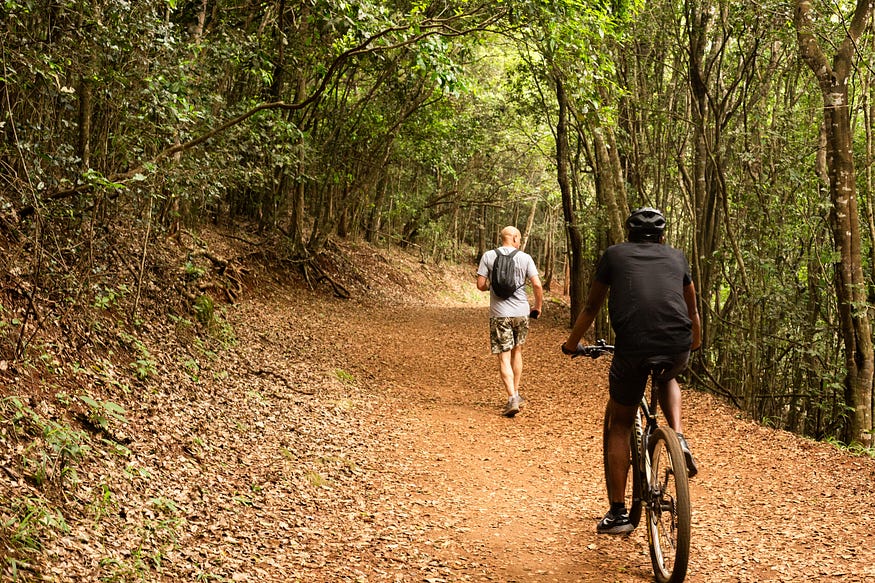
Karura Forest is 1,041 hectares (2,570 acres) consisting of three parts separated by two major roads called Limuru and Kiambu roads. The large middle portion is ca. 710 hectares (1,800 acres); the Sigria salient to the west is ca. 250 hectares (620 acres). The portion to the east of Kiambu Road has been allocated to special national priorities. As of mid-2016, 36% of the forest contains indigenous upland forest tree species. The forest is home to some 200 species of bird as well as suni, Harveys Duiker, bushbucks, bush pigs, genets, civets, honey badgers, bush babies, porcupines, Syke’s monkeys, bush squirrels, hares, fruit bats, various reptiles and butterflies. Karura now has over 50 km of trails for visitors to walk, run, or bike and of course, take photos.
I love going to Karura forest for photography, but most importantly, for the walk in the serene environment and clean air.
The last time I was in the forest, I planned to take photos, but as I mentioned, I got quite confused about what to focus on.
I wanted to enjoy the moment in the forest while also taking photos of the trees and even the people doing various activities within the forest.
I did take a few photos though.
By the way, I did something I had not done before. I shot a long exposure of the waterfall in the forest.

Before taking this photo of the waterfall, I did not think I could do a long exposure, and that was because I did not have a filter to help with the slow shutter speed and the amount of light that would hit the camera. But interestingly, the forest cover shut out much of the daylight, so I could reduce my shutter speed without overexposing the shot. I was so glad I did. It was my first, and I loved it.
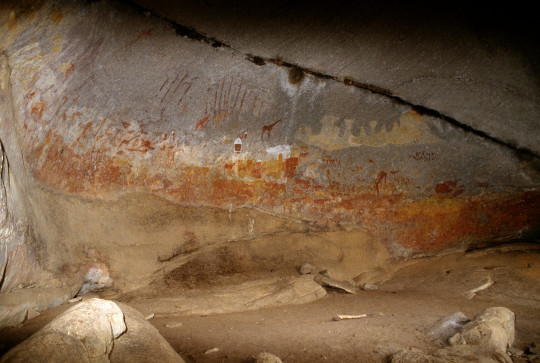
I walked further into the forest to soak in the ambiance and freshness of the environment. Following a designated forest track, I came to the entrance of a network of caves in the deeper part of the forest not so far from the waterfall.
The caves were considered sacred by the local community and in those days, were used for religious worship. They are also reputed to have been a hideout for the Mau Mau (Kenya Land and Freedom Army) during the fight for independence from the British colonial government. The caves are open to the public and can be visited during daylight hours.
I do not joke with sacred places because I honor and respect whatever sacredness people attach to places, so I did not go into the caves. I just took photos from the outside.
Standing at the entrance of this cave was a moment of reflection for me though. You know, coming face to face with a historical place that gave safety to a group of people who were fighting off foreigners who came illegally to their homes to take their lands and their resources by force.
No people should go through such acts of savagery, especially from those who claim they are civilized while calling Africans primitive.

While I battled between taking photos of trees, photos of the forest landscape and just going to sit somewhere and chill, I did manage to take some good photos. I will share some of the images in subsequent articles.
Anyway, if you have some pro tips about forest photography or landscape photography in general that you can share with me, please do so in the comments session.
Your tips are appreciated.